High Court Rejects Bail Plea in Murder Case with Terrorist Link
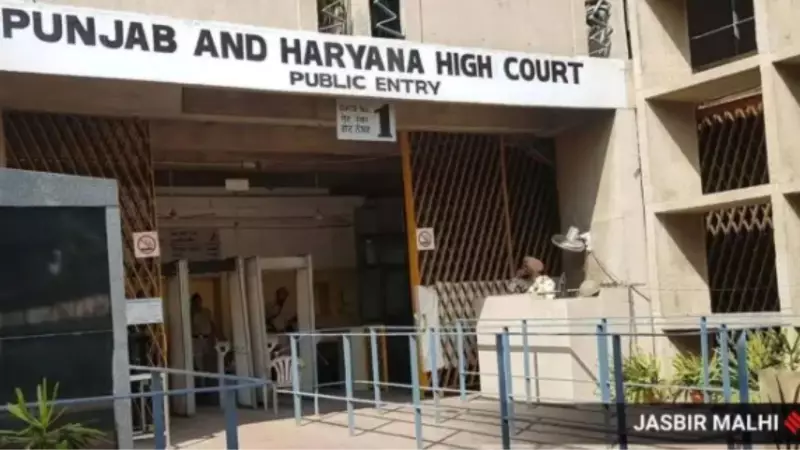
The Punjab and Haryana High Court has firmly denied bail to Sukhdev Singh. He faces serious charges in a murder case that involves alleged connections to a designated terrorist. The court made this decision on Wednesday, highlighting the gravity of the accusations.
Court Cites Seriousness of Allegations
A division bench comprising Chief Justice Sheel Nagu and Justice Sanjiv Berry dismissed the bail plea. They observed that the severity of the offence outweighs the prejudice from prolonged custody. Sukhdev Singh has been in jail since January 7, 2023.
The court specifically noted that key prosecution witnesses must be examined first. Only then can the bail request receive proper reconsideration. This stance underscores the court's cautious approach in cases with serious implications.

Background of the Case
The case revolves around the murder of Paramjit Singh in January 2023. Authorities invoked provisions of the Unlawful Activities (Prevention) Act (UAPA). The chargesheet was filed on May 3, 2023, and charges were framed on February 10, 2025.
Despite these procedural steps, not a single prosecution witness has been examined yet. The trial is now scheduled for January 21, when the first witness will testify. The prosecution has listed 42 witnesses, including 27 official witnesses.
Arguments from Both Sides
During the hearing, Sukhdev Singh's counsel argued strongly for bail. They claimed he has clean antecedents and was implicated based on mere suspicion from a family dispute. The original FIR, registered on January 4, 2023, did not name Singh initially.
The counsel pointed out that UAPA provisions were added later. They asserted there is no material showing Singh's association with any terrorist organisation. The defence also highlighted the lack of direct evidence, such as call records or financial transactions linking Singh to the alleged shooters or Arsh Dalla.
Prosecution's Allegations
The prosecution presented a detailed narrative. They stated the crime originated from a family dispute over a proposed marriage. Sukhdev Singh's son Dilpreet was to marry the niece of Paramjit Singh. Tensions escalated, leading to Dilpreet's suicide, which resulted in a separate FIR for abetment of suicide.
According to the prosecution, Sukhdev Singh's family blamed Paramjit Singh for the suicide. Driven by this grievance, they allegedly conspired for revenge. The prosecution claims Lovepreet, Singh's other son in Australia, contacted Arsh Dalla. Dalla, a designated terrorist, then arranged the shooting of Paramjit Singh and later claimed responsibility on social media.
The state opposed bail, arguing the murder resulted from a conspiracy involving overseas handlers. They submitted that witness statements indicate Sukhdev Singh remained in contact with his son and persons connected to Arsh Dalla. Money was allegedly arranged for the crime's execution. UAPA provisions were invoked after Arsh Dalla was designated as a terrorist by the Government of India in 2023.
Court's Observations
The bench noted Sukhdev Singh's implication on January 5, 2023, just a day after the FIR. This was based primarily on statements from the complainant, Jagroop Singh, and another witness who claimed to overhear incriminating conversations.
The court observed that the authenticity of these statements will be tested during the trial. In its order, the bench stated, "Though some prejudice has been caused to the petitioner due to prolonged pre-trial and under-trial custody, the same gets outweighed by the gravity of the offence." They added it would be appropriate to examine some main witnesses before considering bail.
Current Status and Implications
Sukhdev Singh remains in custody as the trial proceeds. The court's decision reflects a balancing act between individual rights and public interest in serious cases. The involvement of UAPA and alleged terrorist links adds layers of complexity to this legal battle.
This case highlights the challenges in bail matters when national security concerns intersect with criminal allegations. The High Court's emphasis on witness examination before bail reconsideration sets a precedent for similar cases in the region.