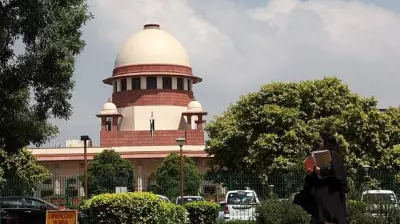
Punjab and Haryana High Court Intervenes in Rapid Transfer Reversal
The Punjab and Haryana High Court has taken decisive action by staying a second transfer order that was issued within a mere two-day period, underscoring a significant administrative flip-flop in the region. This legal intervention brings to light the complexities and potential irregularities in personnel management decisions, sparking concerns over governance and procedural adherence.
Details of the Two-Day Transfer Turmoil
According to reports, the initial transfer order was issued on the first day, only to be followed by a second order within 48 hours that attempted to alter or reverse the previous directives. The High Court's stay on the second order effectively halts its implementation, pending further judicial review. This rapid succession of conflicting commands has raised eyebrows among legal experts and administrative observers, who question the rationale and legality behind such swift changes.
The court's decision to intervene suggests that there may be substantive issues with the transfer process, including possible violations of established protocols or lack of transparency. By imposing a stay, the High Court aims to prevent any potential misuse of authority or disruption to public services that could arise from inconsistent administrative actions.
Implications for Governance and Legal Oversight
This incident highlights the critical role of judicial oversight in maintaining administrative integrity. The Punjab and Haryana High Court's proactive stance serves as a reminder that transfer orders must comply with legal standards and due process. Experts argue that such flip-flops can undermine public trust in government institutions and lead to operational inefficiencies.
- Legal Scrutiny: The stay order prompts a deeper examination of the transfer policies and their alignment with constitutional principles.
- Administrative Accountability: Authorities involved in issuing the orders may face increased scrutiny to ensure compliance with regulations.
- Impact on Personnel: Employees affected by the transfers experience uncertainty, potentially affecting morale and productivity.
In conclusion, the Punjab and Haryana High Court's stay on the second transfer order within two days marks a pivotal moment in addressing administrative inconsistencies. This case underscores the importance of judicial checks and balances in upholding procedural fairness and governance standards in the region.