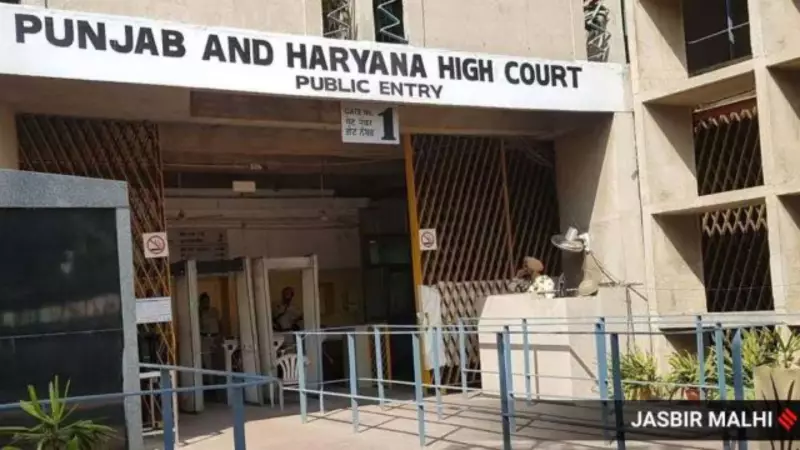
The Punjab and Haryana High Court has put a Public Interest Litigation (PIL) challenging a television broadcast about Maharishi Valmiki under close examination. During a hearing on Tuesday, December 2, 2025, the bench, led by Chief Justice Sheel Nagu, directly asked the petitioner to present historical material supporting the grievance that the show hurt community sentiments.
Petitioner Alleges Defamatory Portrayal for TRPs
The petition, represented by the petitioner's counsel, alleged that a recent programme aired by the Aaj Tak channel and anchored by Anjana Om Kashyap contained incorrect statements. It claimed the show, related to Valmiki Jayanti, portrayed the revered sage as a "dacoit" without any historical foundation, thereby hurting the Valmiki community and violating ethical broadcasting norms.
The counsel argued that there was "nothing on record" to suggest Valmiki was ever a dacoit. He insisted the broadcast was done merely to increase Television Rating Points (TRPs). The plea sought the removal of the contentious video from digital platforms like YouTube, Instagram, and Facebook, all of which have been made parties to the case.
Court Questions Basis of the Controversy
Interjecting during the arguments, Chief Justice Nagu probed the core of the dispute. He questioned whether the controversy pertained to history or popular mythology. "This incident narrated is quite the popular one. Everybody knows about this, that he was earlier a bad man and then he became a good man. What is wrong in it?" the Chief Justice remarked.
The bench observed that a person's transformation from wrongdoing to virtue could not by itself be objectionable and might even serve as a lesson. "If somebody is turning from devil into a virtuous man, what is wrong in it? It is a lesson," CJ Nagu stated. The court asked how such a depiction, if based on commonly known narratives, violated constitutional or ethical norms.
Adjournment for Lack of Supporting Material
When pressed by the court to state the true historical position, the petitioner's counsel mentioned having material from texts like the Ramayana but could not place it on record due to a personal emergency. The Chief Justice then directed him to produce the documents, saying, "Otherwise, you tell us what is the history."
Noting that the lawyer lacked the necessary material to substantiate the grounds for judicial intervention at that moment, the bench adjourned the matter. The petitioner had also claimed that the telecast caused widespread resentment and was the second such instance, leading to a "multiplicity of cases," including criminal complaints.