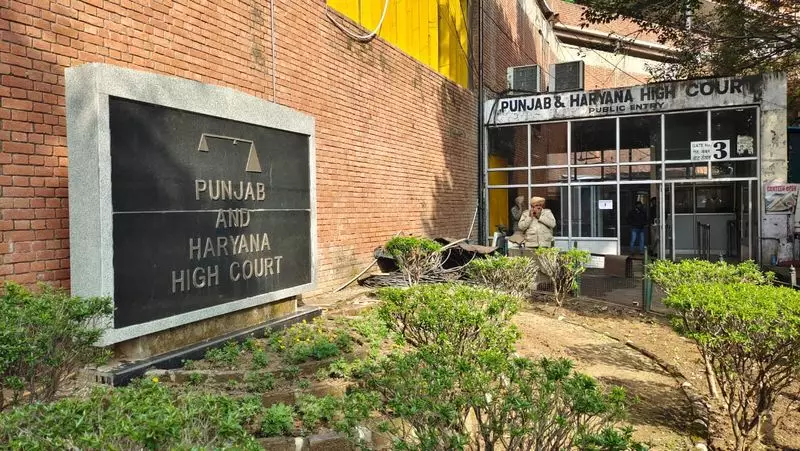
In a significant ruling that clarifies the scope of liability under pesticide laws, the Punjab and Haryana High Court has held that a retailer or a marketing firm cannot be held criminally liable for the misbranding of an insecticide product under the Insecticides Act, 1968.
Court Quashes Criminal Proceedings Against Retailer
The judgment was delivered by Justice Jasjit Singh Bedi while hearing a petition filed by a Bathinda-based retailer, Balwinder Singh. The petitioner sought to quash criminal proceedings initiated against him under Sections 3(k) and 29 of the Insecticides Act. These proceedings stemmed from a complaint filed by the Insecticides Inspector in Bathinda in 2017.
The case centered on a sample of the insecticide 'Lihocin' taken from the petitioner's shop. Upon analysis, the sample was allegedly found to be misbranded, as the percentage of active ingredient did not match the declaration on the label. Consequently, the retailer was implicated in the legal case.
Legal Distinction: Manufacturer vs. Seller
Justice Bedi's ruling hinged on a critical interpretation of the Act. The court emphasized that the liability for misbranding primarily falls on the manufacturer, packer, or the entity under whose name the insecticide is sold. The judgment referenced a key precedent set by the Supreme Court in Pepsico India Holdings Pvt. Ltd. vs. Food Inspector.
The High Court noted that for a retailer or marketing agent to be held liable, the prosecution must demonstrate that these parties were actively involved in the process of misbranding. Merely selling a product that is later found to be misbranded is not sufficient grounds for criminal prosecution under this specific law.
"The retailer cannot be expected to verify the chemical composition of each product he sells," the judgment implied, drawing a clear line between the responsibilities of production and retail.
Implications and Relief for the Trade
This verdict brings much-needed clarity and relief to thousands of retailers and marketing firms operating in the agricultural inputs sector across Punjab, Haryana, and Chandigarh. It shields them from criminal liability for offenses they did not directly commit, placing the onus squarely on manufacturers and primary labelers.
The court ultimately allowed the petition and quashed the entire criminal proceedings against Balwinder Singh, including the summoning order dated July 27, 2019. This decision underscores the principle that penal provisions must be construed strictly, especially when they entail criminal consequences.
Legal experts suggest this judgment will set a benchmark for similar cases, preventing the harassment of small retailers and ensuring that enforcement actions under the Insecticides Act are directed at the correct parties in the supply chain.