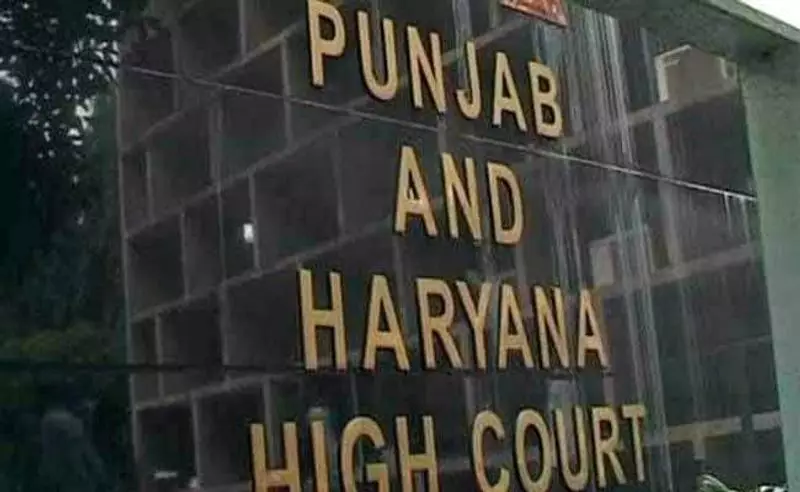
Punjab High Court Petition Demands Ban on Outsiders in University Protests
A significant legal development has emerged in Punjab as a petition has been filed in the Punjab and Haryana High Court, seeking a ban on the entry of outsiders for protests at Panjab University. This plea highlights growing concerns over the involvement of non-students in campus demonstrations, which petitioners argue could compromise security and disrupt the academic environment.
Details of the Petition
The petition, submitted to the High Court, specifically requests judicial intervention to prohibit individuals who are not students, faculty, or staff of Panjab University from participating in protests on the university premises. According to the plea, the presence of outsiders during such events has led to instances of violence and unrest, posing risks to the safety of the university community and hindering educational activities.
Key arguments presented in the petition include the need to maintain a secure and conducive learning atmosphere, as well as the potential for external elements to escalate peaceful protests into chaotic situations. The petitioners have urged the court to issue directives to the university administration and local authorities to enforce such a ban effectively.
Background and Context
Panjab University, a prominent educational institution in Chandigarh, has been a site for various protests over the years, often involving issues related to student rights, political matters, and social causes. However, recent incidents have raised alarms about the increasing participation of outsiders, including political activists and other non-university individuals, in these demonstrations.
This trend has sparked debates on campus about the balance between freedom of expression and the need for institutional security. University officials have previously expressed concerns over the challenges in managing protests when external groups are involved, citing difficulties in ensuring order and preventing disruptions to academic schedules.
Potential Implications
If the High Court rules in favor of the petition, it could set a precedent for other educational institutions in Punjab and beyond, influencing how protests are regulated on campuses. The decision may also impact the dynamics of student activism, potentially limiting the scope of external support for various causes while aiming to enhance on-campus safety.
- Enhanced security measures at Panjab University
- Stricter regulations on protest participation
- Possible effects on student-led movements
- Broader implications for university governance in India
The case is expected to be heard soon, and stakeholders, including student unions, university authorities, and legal experts, are closely monitoring the proceedings. This petition underscores the ongoing tensions between upholding democratic rights and ensuring institutional integrity in educational settings.