Kerala High Court Mandates Nodal Officer for Temple Cleanliness Implementation
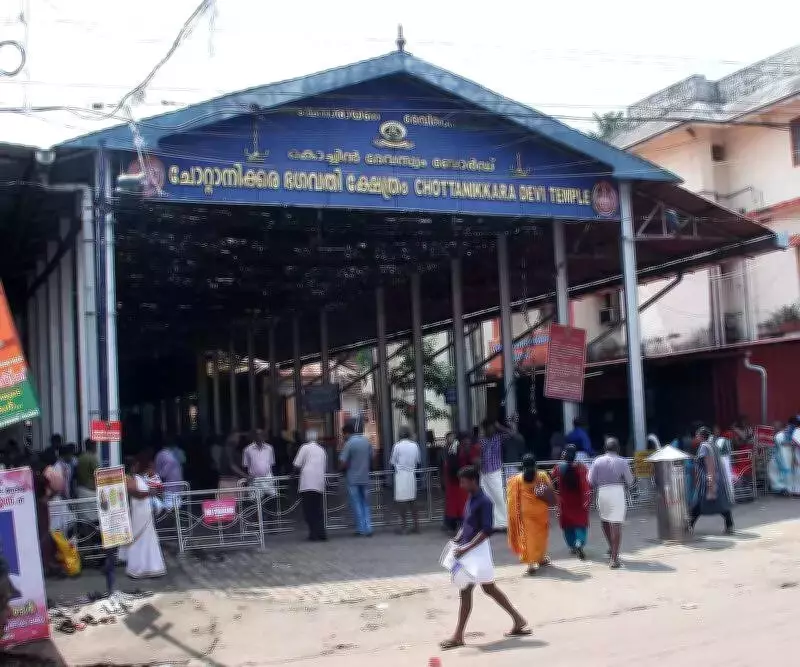
The Kerala High Court has issued a significant directive to the Cochin Devaswom Board (CDB), ordering the appointment of a nodal officer along with a dedicated team of officers working under his supervision. This move aims to ensure the time-bound and effective implementation of the Suchitwa Mission report, which focuses on enhancing cleanliness and waste management practices at the renowned Chottanikkara Devi Temple in Kochi.
Court's Detailed Observations and Criticisms
A bench comprising Justice V Raja Vijayaraghavan and Justice K V Jayakumar further instructed the board to formally record its views on the implementation framework suggested in the report. This step is intended to enable the High Court to issue appropriate directions for swift and efficient execution without unnecessary delays.
The court was adjudicating a suo motu petition initiated based on a complaint that included photographs depicting widespread filth and decay within the temple premises. These images specifically highlighted unsanitary conditions in the temple kitchen and surrounding areas, raising serious concerns about hygiene and maintenance.
During the hearing on Wednesday, additional photographs were presented to the court, showing a water dispenser and various other portions of the temple. The bench described these images as deeply disturbing and noted that they indicated a failure to implement effective cleanliness measures despite repeated judicial directives.
Inadequate Measures and Lack of Urgency
The High Court scrutinized a report submitted by the devaswom commissioner, which claimed that steps would be taken to implement the Suchitwa Mission recommendations. However, the court found that the actual measures undertaken so far were far short of what was required, highlighting a significant gap between promises and action.
In a critical assessment, the court also addressed the commissioner's submission regarding tenders for waste management. The commissioner stated that tenders had been invited but received no responses. The High Court observed that the estimates appeared to have been prepared in a casual and perfunctory manner, lacking the necessary detail and rigor.
Projects of this nature require detailed implementation plans and properly prepared project reports before inviting tenders, the court emphasized. It pointed out that in the absence of clear specifications and technical details, it is unrealistic to expect responsible contractors to come forward, thereby stalling progress.
Moreover, the court expressed concern over the timeline proposed by the commissioner, who sought three months merely to prepare an estimate. In the circumstances, this was deemed wholly inordinate and indicative of a lack of urgency, underscoring the need for immediate and decisive action to address the temple's cleanliness issues.