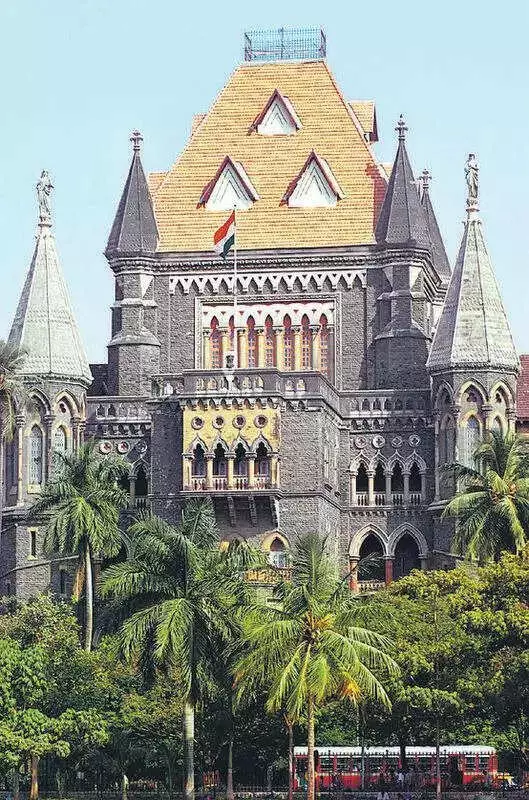
In a significant ruling that underscores judicial empathy during the pandemic, the Bombay High Court has exercised its extraordinary jurisdiction to direct the Maharashtra revenue department to refund a substantial stamp duty amount to an elderly Pune couple. The couple was forced to abandon a property purchase due to severe financial and medical hardships triggered by the Covid-19 pandemic.
Court's Ruling Against Unjust Enrichment
A bench led by Justice Somasekhar Sundareshan, in an order dated December 8, held that the government cannot legally retain duty paid on an agreement that was never executed. The court observed that stamp duty is payable on a formal instrument. Since no such instrument came into existence after the transaction was dropped, the retention of Rs 10.80 lakh would result in "unjust enrichment" for the state.
The bench emphasized the unique circumstances, stating that keeping the money would lead to an unfair outcome for the couple. They highlighted that without a chargeable instrument being created, the ailing pair would be unfairly out of pocket for a duty on what was not a still-born, but an "unborn instrument that was aborted."

The Couple's Pandemic-Induced Plight
According to the petition, the couple, both in their late sixties, had finalized an agreement in July 2019 to purchase their neighbour's flat in Pune. They proceeded to pay the stamp duty and registration fees electronically. Although a draft sale agreement was prepared, it was never signed by the parties.
The situation changed dramatically with the onset of the Covid-19 pandemic. The family faced immense financial constraints and pressing medical needs, compelling them to abandon the transaction entirely. The wife suffers from a 100% locomotor and mental disability following an aneurysmal stroke, and her husband acts as her court-appointed legal guardian. Their lawyer, Arjun Kadam, presented these compelling facts before the court.
Overcoming Legal Hurdles for Justice
Earlier, the stamp authorities had rejected the couple's application for a refund in September 2021. They cited that the plea was filed beyond the six-month limitation period prescribed under Section 48 of the Maharashtra Stamp Act, 1958. An appeal against this order was also rejected by the appellate authority in October 2021.
The couple then challenged both orders through a writ petition in the High Court. The bench, recognizing the extraordinary hardship, quashed and set aside the two impugned orders. The court directed the authorities to refund the stamp duty paid on July 6, 2019, within six weeks from the date of the judgment's upload. Furthermore, the respondents were instructed to process any claim for interest on the amount as per applicable law.
This judgment sets a crucial precedent, balancing legal procedural timelines with substantive justice, especially for citizens who faced unprecedented crises during the pandemic. It reinforces the principle that the state must not benefit unjustly from the misfortunes of its citizens.