Delhi High Court Grants Time to Kejriwal and Sisodia in CBI's Excise Case Discharge Plea
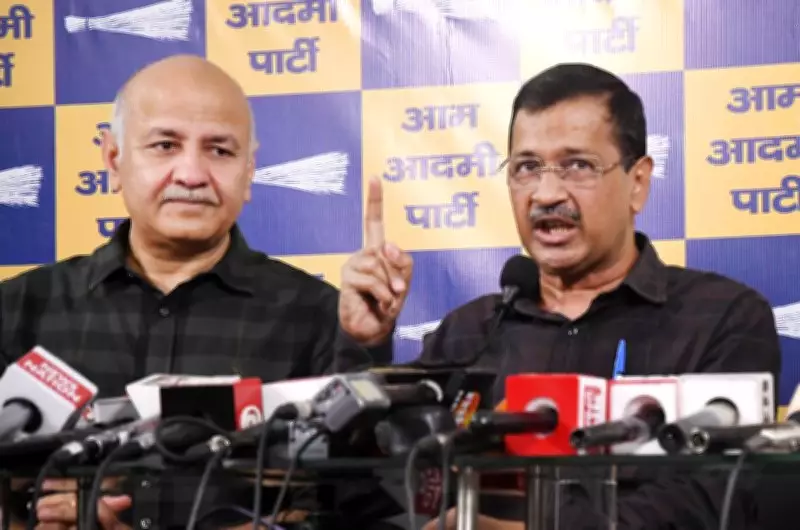
The Delhi High Court on Monday granted additional time to former Delhi Chief Minister Arvind Kejriwal, his deputy Manish Sisodia, and 21 other individuals to file their responses to the Central Bureau of Investigation's (CBI) petition. This petition challenges their discharge in the high-profile liquor policy case, marking a significant development in the ongoing legal proceedings.
Hearing Scheduled for April 6
Justice Swarana Kanta Sharma of the Delhi High Court has listed the CBI's petition for a detailed hearing on April 6. The petition assails the trial court's decision from February 27, which discharged Kejriwal, Sisodia, and the others from the case. The CBI has vehemently opposed this discharge, arguing that the trial court's order was perverse and should not remain on record any longer than necessary.
CBI's Urgent Plea and Legal Arguments
During the proceedings, Solicitor General Tushar Mehta, representing the CBI, emphasized the urgency of the matter. He stated that the trial court's order was fundamentally flawed and that the accused should not be given more than a week to file their replies. Mehta argued that a response was not necessary since the entire trial court record was already available for review.
In contrast, senior counsel for the Aam Aadmi Party (AAP) leaders informed the court that they have already approached the Supreme Court to challenge the case. However, Justice Sharma noted that unless a stay order is received from the Supreme Court, the proceedings in the High Court must continue as scheduled.
Defense Counsel Seeks Reasonable Time
The senior lawyers representing the accused persons countered the CBI's urgency claims, asserting that there was no immediate need for haste. They requested a reasonable timeframe to prepare and file their detailed replies, highlighting the complexity of the case and the need for thorough legal preparation.
Background of the Trial Court's Discharge Order
On February 27, the trial court discharged Kejriwal, Sisodia, and 21 others from the liquor policy case. In its ruling, the court criticized the CBI's case, stating it was wholly unable to survive judicial scrutiny and stood discredited in its entirety. The court further ruled that the alleged conspiracy was based on speculative constructs resting on conjecture and surmise, with a stark absence of legally admissible evidence.
The trial court concluded that compelling the accused to face a full-fledged criminal trial under such circumstances would not serve the ends of justice. This decision has now become the focal point of the CBI's appeal in the Delhi High Court, setting the stage for a crucial legal battle in the coming weeks.