Kerala High Court Rejects Anticipatory Bail for Former Sabarimala Officer in Ghee Fund Scandal
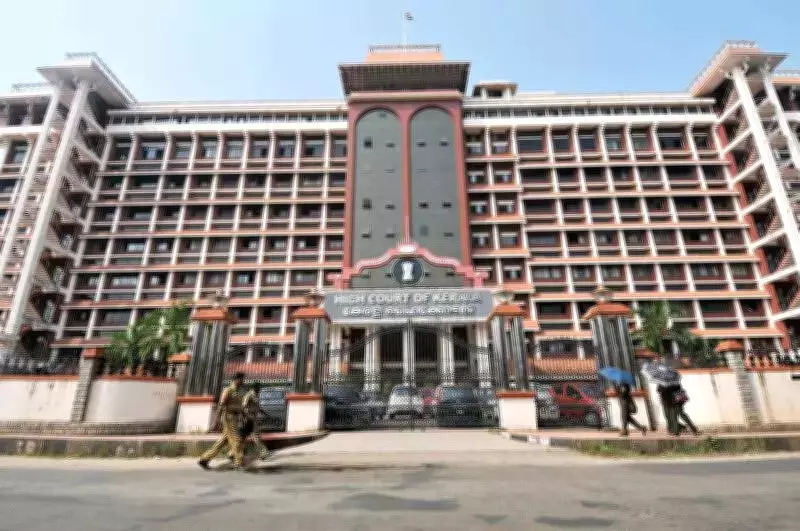
The Kerala High Court has firmly dismissed the pre-arrest bail petition filed by former Sabarimala special officer S R Santhosh Kumar. This decision comes in a high-profile vigilance department case concerning the alleged misappropriation of proceeds from the sale of 'aadiya sishtam ghee' at the renowned Sabarimala temple.
Court's Rationale for Dismissal
Justice A Badharudeen, presiding over the case on Monday, rejected the anticipatory bail plea, emphasizing that the investigation is still in its preliminary stages. The court underscored that as the special officer, Santhosh Kumar bore the responsibility to ensure no financial irregularities occurred at the ghee counters and that all collected funds were properly deposited into the Travancore Devaswom Board (TDB) accounts.
In a significant observation, the High Court stated that custodial interrogation of the petitioner is essential to determine the full scope of the misappropriation and trace the utilization of the diverted funds. This ruling highlights the court's commitment to a thorough probe into the alleged financial misconduct.
Background of the Vigilance Probe
The case originated after a High Court division bench ordered a vigilance investigation into the suspected misappropriation of ghee sale proceeds during the previous Mandala-Makaravilakku pilgrimage season. This directive followed a detailed report submitted by the Sabarimala special commissioner, which raised serious concerns about financial discrepancies.
The vigilance department has since expanded the case, naming a total of 33 individuals as accused. This includes three temple special officers and thirty counter staff members involved in the sale operations. The misappropriated amount, as currently quantified by investigators, stands at a substantial Rs 21.39 lakh.
Defense Arguments and Court's Response
In his bail petition, Santhosh Kumar contended that he had no involvement in the alleged misappropriation and cited his 60% visual impairment as a mitigating factor. However, the High Court was not persuaded by these claims. The bench firmly held that his visual condition did not absolve him of his administrative duties to prevent and detect financial malpractices under his supervision.
The investigation team, opposing the bail plea, informed the court that the probe is actively ongoing and involves multiple accused persons. They argued that granting bail at this juncture could potentially hinder the investigation and affect the collection of crucial evidence.
Implications and Next Steps
With the anticipatory bail petition dismissed, Santhosh Kumar now faces the prospect of arrest and custodial interrogation by the vigilance officials. This development marks a critical phase in the case, as authorities seek to unravel the complete network and methodology behind the alleged fund diversion.
The Travancore Devaswom Board, which manages the Sabarimala temple's affairs, is expected to review its internal financial controls and oversight mechanisms in light of this scandal. The case has drawn significant public attention, given Sabarimala's status as one of India's most prominent pilgrimage sites, and underscores the need for transparency in temple fund management.
As the vigilance probe progresses, further details regarding the roles of other accused individuals and the total magnitude of the misappropriation are anticipated to emerge. The High Court's firm stance signals a no-tolerance approach towards financial irregularities in religious institutions, setting a precedent for accountability in similar cases across the state.