A proposed new law aimed at curbing hate speech in Karnataka has ignited a fierce debate, with activists, lawyers, and civil society representatives voicing serious concerns about its potential for misuse and its impact on fundamental freedoms. The bill, currently under scrutiny, is seen by critics as a hastily drafted piece of legislation that could severely restrict freedom of expression while failing to effectively address the core issues of hate crimes.
Core Concerns: Blurred Lines and Excessive Powers
The primary objection raised by experts centers on the bill's conflation of hate speech and hate crimes. The legislation defines hate crimes narrowly as acts involving the communication of hate speech, thereby failing to distinguish between incitement and the actual commission of violent acts like mob lynching or punitive demolitions. This lack of clear differentiation is a major flaw, according to critics.
Furthermore, the bill grants excessive powers to law enforcement officials to maintain public order. Activists warn that these powers are not balanced with clear guidelines or due process, opening the door to arbitrary state action. A particularly contentious provision empowers a designated officer to order the removal of any online content deemed objectionable, without necessarily providing prior notice or a hearing to the content creator.
Sachin Dhawan, a public policy expert, highlighted this procedural shortcoming, noting, "The bill lacks a provision for review of removal orders. Such omissions will increase the likelihood of arbitrariness in the content removal process."
Activists Voice Fears of Chilling Effect on Free Speech
The potential for the law to be weaponized against dissent and marginalized communities forms the crux of the opposition. Girish Bharadwaj, a social activist, expressed apprehension that the bill could undermine Article 19(1)(a) of the Constitution, which guarantees freedom of speech and expression. "Erring on the side of caution is key in passing legislation like this," he said, "as it has the potential for creating a chilling effect against free speech."
Vimala KS, a women's rights activist, presented a nuanced view. While acknowledging the government's responsibility to curb rising Islamophobia and misogyny, she warned of political misuse. "There are high chances of use, misuse, and abuse of such bills by ruling parties," she stated. She feared that criticism of constitutional or governance issues could be misinterpreted as hate speech if it contradicts the views of the party in power.
Tanveer Ahmed, a human rights activist, stressed that the problem lies not in the bill's intent, which may be good, but in its execution. "Unless terms such as hate speech and hate crime are clearly defined, and safeguards built in, there is always a risk — especially if there is a change in regime or ideology," he argued.
Calls for Wider Consultation and Clearer Definitions
Amidst the criticism, some see a need for such a law but insist on crucial improvements. Mavalli Shankar of the Dalit Sangharsha Samiti welcomed the bill's intent but called for extra emphasis on protecting oppressed communities like Dalits. He urged for fair implementation.
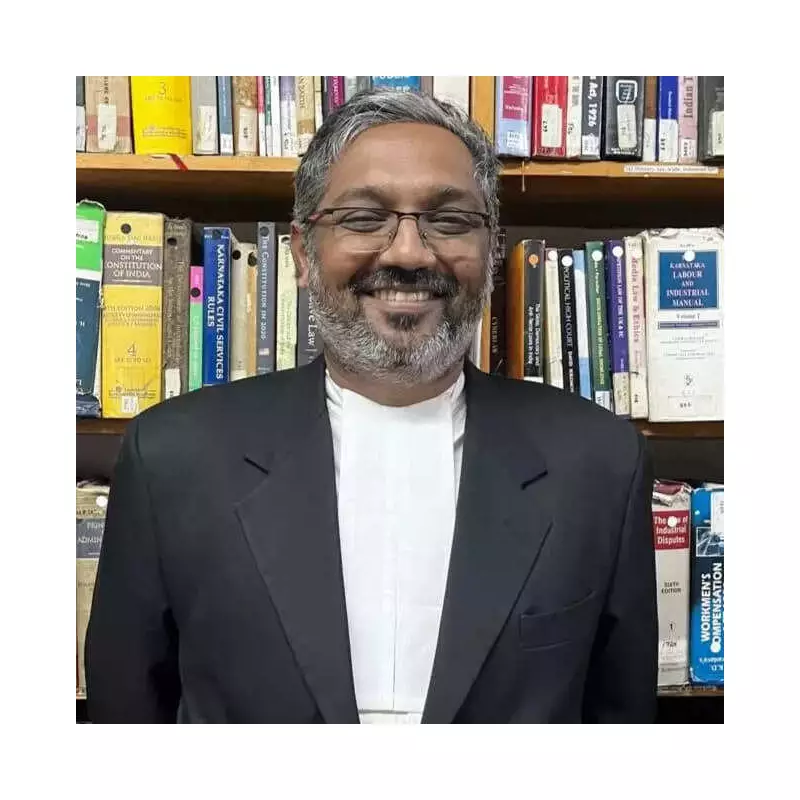
Vinay Srinivasa, an advocate with the Campaign Against Hate Speech, acknowledged that hate speech and hate crimes are tearing Karnataka apart and that government attention is needed. However, he concluded, "The bill seems to be hurriedly drafted and will not be effective in curtailing hate speech. It is also liable to be misused against marginalised communities. The govt must hold wide consultations on how to tackle this problem."
The consensus among the critics is clear: the current draft of the hate speech bill requires substantial revision, robust public consultation, and ironclad safeguards to prevent it from becoming a tool for suppression rather than a shield for the vulnerable. The ultimate test, as Vimala KS noted, will lie in how the bill is implemented, should it become law.