Haryana Government Denies Prosecution Sanction in Operation Sindoor Case
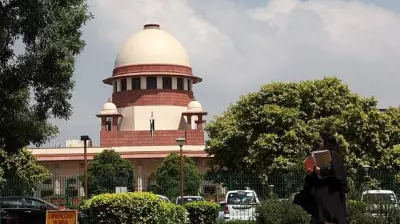
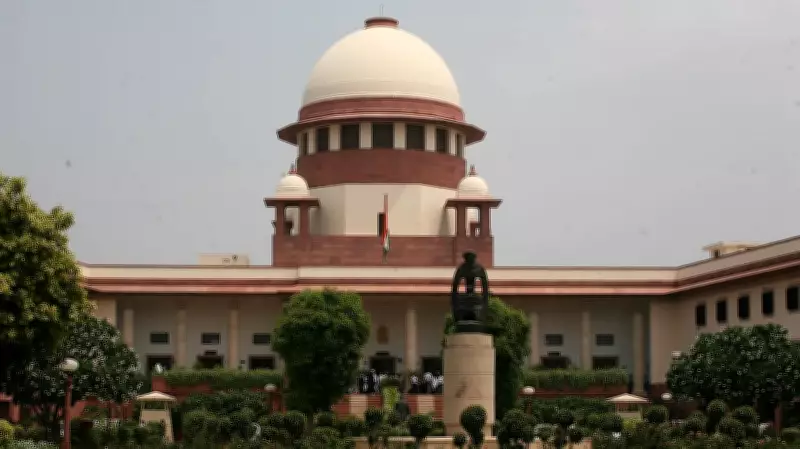
The Supreme Court of India has taken up a significant legal matter involving an Ashoka University professor, as the Haryana government has officially refused to grant sanction for his prosecution. This decision comes in connection with the high-profile Operation Sindoor case, which has drawn widespread attention across legal and academic circles.
Legal Proceedings and Supreme Court Hearing
Senior advocate Siddharth Luthra represented the professor during the Supreme Court hearing, where he argued for the quashing of all legal proceedings initiated against his client. The professor, whose identity has been a focal point in this case, sought judicial intervention to halt the prosecution, citing the lack of necessary sanction from the state authorities.
The Haryana government's refusal to provide prosecution sanction is a critical development, as such approvals are often required under Indian law for proceeding against public servants or individuals in certain capacities. This move has sparked debates on the implications for academic freedom and legal accountability in sensitive cases.
Background of Operation Sindoor
Operation Sindoor is an investigative operation that has been under scrutiny for its handling of various individuals, including the professor from Ashoka University. The case involves allegations that have not been fully disclosed publicly, but it is understood to relate to matters of national interest or security concerns.
The professor's involvement has raised questions about the balance between individual rights and state actions, with many observers closely monitoring the Supreme Court's deliberations. The court's decision in this matter could set a precedent for future cases involving similar denials of prosecution sanction by state governments.
Implications for Academic and Legal Spheres
This case highlights several key issues:
- Academic Freedom: The prosecution of a university professor raises concerns about the protection of academic independence and the potential chilling effect on scholarly activities.
- Legal Procedures: The requirement for state sanction in prosecutions underscores the procedural safeguards in Indian law, which aim to prevent frivolous or politically motivated cases.
- Government Accountability: Haryana's decision reflects the state's stance on the matter, potentially influencing how similar cases are handled in other regions.
As the Supreme Court continues to hear arguments, the outcome will be closely watched by legal experts, academics, and the general public. The case underscores the intricate interplay between governance, law, and education in contemporary India.