Dera Sacha Sauda Chief Gurmeet Ram Rahim Singh Acquitted in Journalist Murder Case
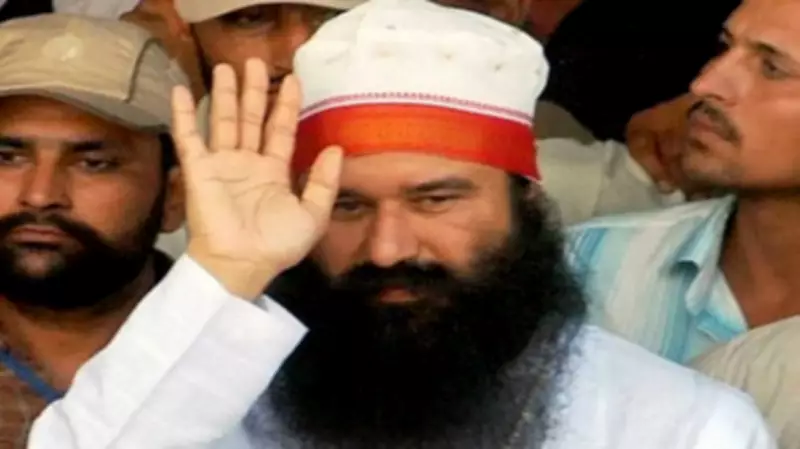
A special Central Bureau of Investigation (CBI) court in Panchkula, Haryana, has delivered a significant verdict, acquitting Dera Sacha Sauda chief Gurmeet Ram Rahim Singh in the high-profile 2002 murder case of journalist Ram Chander Chhatrapati. The court's decision, announced on Saturday, stems from a lack of conclusive evidence linking the spiritual leader directly to the crime.
Background of the Case
Ram Chander Chhatrapati, a journalist based in Sirsa, Haryana, was fatally shot outside his residence on October 24, 2002. He had been publishing reports in his evening newspaper, Poora Sach, that were critical of Gurmeet Ram Rahim Singh and the activities of the Dera Sacha Sauda sect. The case initially saw little progress until it was transferred to the CBI in 2003, following public outcry and allegations of a cover-up.
The investigation pointed to a conspiracy, with allegations that the Dera chief had ordered the murder due to the damaging publications. Over the years, multiple individuals were arrested and charged in connection with the killing, but the central figure, Gurmeet Ram Rahim Singh, remained a key accused.
Court's Ruling and Reasoning
In its detailed judgment, the special CBI court emphasized that the prosecution failed to provide sufficient evidence to establish Gurmeet Ram Rahim Singh's involvement beyond a reasonable doubt. Key aspects of the ruling include:
- Insufficient Direct Evidence: The court noted that there were no eyewitness accounts or forensic proof directly implicating the Dera chief in the planning or execution of the murder.
- Weak Circumstantial Evidence: While circumstantial evidence suggested a motive related to the journalist's critical reports, it was deemed inadequate to secure a conviction under legal standards.
- Previous Convictions: It is important to highlight that Gurmeet Ram Rahim Singh is currently serving a 20-year prison sentence for the rape of two female disciples in 2017, and he was also convicted in 2019 for the murder of a former Dera manager. These prior convictions did not influence the current case, as each is treated separately under the law.
The acquittal has sparked mixed reactions, with supporters of the Dera chief celebrating the verdict as a victory for justice, while critics and the journalist's family express disappointment, citing concerns over witness intimidation and delays in the trial process.
Implications and Reactions
This verdict adds another layer to the complex legal history of Gurmeet Ram Rahim Singh, who commands a massive following in northern India. Legal experts suggest that the acquittal may impact ongoing cases against him, though it does not alter his existing prison terms. The Haryana government has stated that it will review the court's order before deciding on any further legal steps, such as a potential appeal.
From a broader perspective, the case underscores challenges in prosecuting high-profile individuals in India, particularly in matters involving freedom of the press and sectarian influence. Journalist associations have called for stronger protections for media personnel, emphasizing the need to ensure that such incidents do not deter investigative reporting.
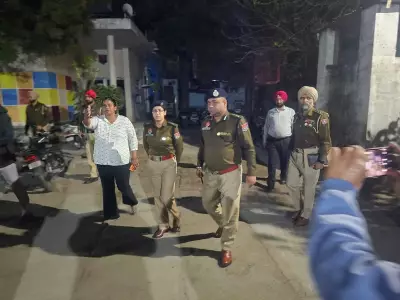
As the news spreads, security has been heightened in Panchkula and surrounding areas to prevent any untoward incidents, reflecting the sensitive nature of the verdict. The acquittal is likely to remain a topic of public debate, highlighting ongoing tensions between legal processes, media safety, and religious authority in the region.