Gujarat High Court Upholds Transfer of Amreli School Principal Accused of Communal and Casteist Bias
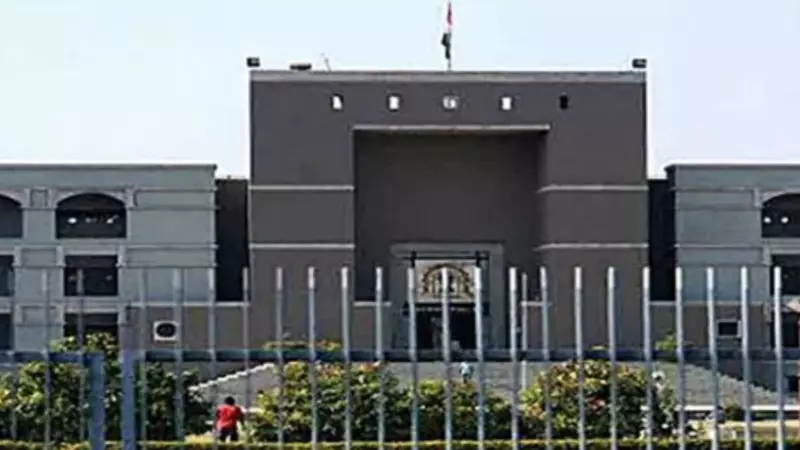
The Gujarat High Court has dismissed a petition challenging the transfer of an in-charge school principal in Amreli district, citing serious allegations of communal discrimination and caste-based bias against students. The court ruled that the transfer was necessary to ensure a neutral inquiry into the complaints filed by villagers.
Background of the Case
Jaman Sheladiya, the in-charge principal of Moladi Primary School in Savarkundla taluka of Amreli district, was transferred following a complaint lodged by villagers in May 2025. The allegations against Sheladiya included:
- Encouraging communal sentiments among students
- Discriminating against students based on their caste
- Issuing school leaving certificates without parental request
- Engaging in violent altercations with his wife, who also teaches at the same school, using weapons on campus
- Alleged financial irregularities
- Involvement in local politics leading to threats of school closure by villagers
Initially transferred to Datardi Primary School in Rajula taluka on August 21, 2025, Sheladiya was subsequently moved to Khijadiya Kotda Primary School in Babaria taluka on November 7, 2025, following his representation. He challenged both transfer orders, claiming they were punitive and malafide.

Court Proceedings and Decision
During the hearing before Justice Nirzar S Desai, the government pleader presented detailed allegations against Sheladiya. The pleader stated that the principal was targeting students from specific communities and castes, treating them differently, and issuing school leaving certificates without proper requests from guardians.
The court noted that the allegations were of a serious nature, particularly because they involved a primary school setting where young students could be adversely affected. The oral order dictated by the court emphasized that the mental health of students was at risk due to the principal's behavior, including quarrels and fights with weapons in front of children.
Reasoning Behind the Transfer
The High Court highlighted several key reasons for upholding the transfer:
- Neutral Inquiry: The transfer was deemed necessary to conduct an independent investigation without the principal's influence over complainants.
- Prevention of School Closure: The court acknowledged villagers' threats to lock down the school if Sheladiya remained, which would ultimately harm the students.
- Student Welfare: The court observed that in a small village, the principal wields significant influence over students and parents, making it crucial to remove him from the environment during the inquiry.
The court also questioned why Sheladiya had not joined either of the two schools he was transferred to and noted that legal precedents cited by his advocate were not applicable in this case.
Implications of the Ruling
This ruling underscores the judiciary's commitment to ensuring a safe and unbiased educational environment. By prioritizing student welfare and the integrity of the inquiry process, the Gujarat High Court has set a precedent for handling similar cases involving allegations of discrimination and misconduct in educational institutions.
The departmental inquiry into Sheladiya's conduct is ongoing, and the court's decision reinforces the importance of transparent and impartial investigations in matters affecting public education and community harmony.