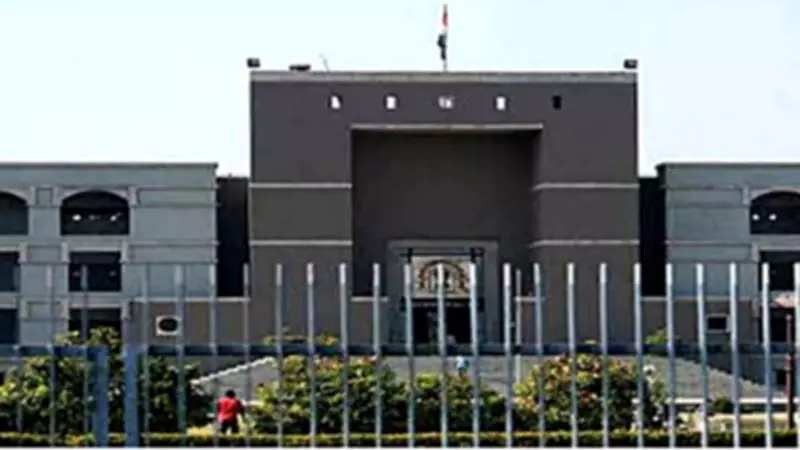
Gujarat High Court Suspends 7-Year Sentence in Beef Possession Case Over Procedural Irregularities
The Gujarat High Court has taken a significant step by suspending a seven-year rigorous imprisonment sentence awarded to a woman convicted under the Gujarat Animal Preservation Act for possessing beef. The court's decision came after careful consideration of multiple procedural lapses and inconsistencies in the prosecution's case that raised serious doubts about the conviction's validity.
Court Identifies Multiple Flaws in Prosecution Case
Justice S V Pinto, in an interlocutory order on Monday, highlighted several critical issues that undermined the prosecution's case against Mahemuda Hayat, the convicted woman. The court noted "serious procedural irregularities, inconsistencies in the FSL report, unexplained delay in lodging the FIR, and lack of independent corroboration" as factors that "cast grave doubt on the prosecution case."
The case originated from a raid conducted on July 6, 2023, at a house where Hayat was allegedly found in possession of six kilograms of beef. However, the court found multiple discrepancies in how the case was handled from the very beginning.
Forensic Report Inconsistencies and Procedural Violations
One of the most significant issues raised was the inconsistency in the Forensic Science Laboratory (FSL) report dated July 7, 2023. The report showed that two out of three samples were declared to be of "cow progeny" while one was identified as "buffalo progeny." This inconsistency became particularly problematic since the FIR was lodged only on July 8, 2023, raising questions about the timeline and handling of evidence.
Furthermore, the court considered submissions from the applicant's lawyer, Altaf Charkha, who pointed out that the muddamal (case property) was "disposed of without permission from the magistrate in violation of Rule 4(a)(3) of the Gujarat Animal Preservation Rules." This represented a clear procedural violation that compromised the integrity of the evidence.
Questionable Investigation Methods and Witness Issues
The court also noted several concerning aspects of the investigation:
- The muddamal was brought to the police station before proper sampling occurred
- The panchnama (witness document) was questionable as witnesses did not fully corroborate each other
- One panch witness testified that he signed the document at the police station, suggesting it was prepared after the fact
- The ownership of the house where the raid occurred was never properly ascertained
- No independent witnesses were examined despite the recovery happening in a crowded locality
These factors left the entire case "dependent solely on police witnesses," according to the applicant's submissions, which the court found concerning.
Conditional Bail Granted Pending Appeal
In light of these substantial procedural issues, the Gujarat High Court granted conditional bail to Hayat while her appeal against the conviction is being disposed of. The court ordered her release on bail upon furnishing a personal bond of Rs. 10,000 with one surety of the same amount to the satisfaction of the trial court.
The court cited legal precedents supporting the suspension of sentences "so as to make the appeal right, meaningful and effective." Justice Pinto observed that "the sentence imposed by the learned trial court prima facie cannot be sustained" given the circumstances of the case.
Prosecution's Arguments and Court's Final Decision
While Additional Public Prosecutor CM Shah argued that the applicant's role and involvement had been "established beyond reasonable doubt" and requested rejection of the application, the court found the procedural flaws too significant to ignore.
The original sentence had been handed down by the Additional Sessions Judge of Dahod on November 4, 2025, following a case lodged on July 8, 2023. Hayat had been sentenced to seven years of rigorous imprisonment along with a fine of Rs. 1 lakh.
The High Court's decision to suspend the sentence represents a significant development in this case, highlighting the importance of proper procedure and evidence handling in criminal matters. The court's thorough examination of the investigation's shortcomings serves as a reminder of the judicial system's role in ensuring fair trials and protecting individual rights against procedural errors that could lead to wrongful convictions.