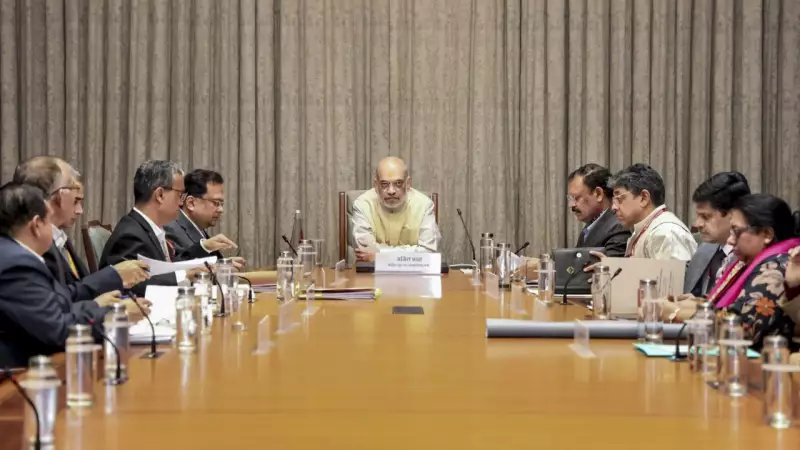
In a significant move to bolster India's maritime security, Union Home Minister Amit Shah chaired a high-level meeting on Friday to finalize the constitution of a new overarching regulatory body. This agency, to be known as the Bureau of Port Security (BoPS), will be responsible for the security of all ships and port facilities across the nation.
A New Centralized Security Framework
The establishment of the BoPS marks a major step in creating a unified and robust security architecture for India's vital port infrastructure. The bureau will be modelled on the lines of the Bureau of Civil Aviation Security (BCAS), which oversees the security of airports and aircraft. This decision comes just a month after the government designated the Central Industrial Security Force (CISF) as the recognized security organization for port facilities.
During the meeting, which was attended by Union Ministers from the Ministry of Ports, Shipping and Waterways (MoPSW) and the Ministry of Civil Aviation, Amit Shah stressed the urgent need for a strong and comprehensive port security framework. He directed officials to implement security measures in a graded and risk-based manner, considering factors like specific vulnerabilities, trade potential, geographical location, and other critical parameters.

Mandate and Structure of the BoPS
The BoPS will operate under the administrative control of the MoPSW. Its core functions will include ensuring the timely analysis, collection, and exchange of security-related information. A key focus area will be cybersecurity, with the bureau set to have a dedicated division to protect port IT infrastructure from growing digital threats.
The bureau will be constituted as a statutory body under Section 13 of the newly promulgated Merchant Shipping Act, 2023. It will be headed by a Director General, who will be an officer from the Indian Police Service (IPS). The creation of this dedicated port security ecosystem aligns with the government's vision of port-led growth and its focus on harnessing the 'blue economy' as a major driver for economic expansion.
CISF's Expanded Role and Private Security Oversight
As the newly designated lead agency, the CISF has been given a broad mandate. It will be responsible for conducting security assessments and preparing detailed security plans for all ports. Furthermore, the CISF has been tasked with training and building the capacities of private security agencies (PSAs) engaged in port security.
The government will introduce a certification system to ensure that only licensed and vetted private security agencies are allowed to operate in this sensitive sector. India has a vast coastline with approximately 77 EXIM (Export-Import) ports, which include 12 major ports and about 65 non-major ports. Additionally, there are around 200 minor ports where cargo handling is not currently active.
The formation of the BoPS represents a strategic consolidation of security efforts, aiming to safeguard India's maritime trade routes and infrastructure against evolving physical and cyber threats.