Legal Experts in Goa Challenge Selective Suspension of Town Planning Clearances
In Panaji, a significant legal controversy has emerged following the town and country planning department's decision to suspend all clearances granted under Section 39A of the TCP Act exclusively within the St Andre constituency. This move has drawn sharp criticism from prominent legal figures who question its legal foundation and selective application.
Retired Justice Questions Arbitrary Implementation
Retired Allahabad High Court Chief Justice Ferdino Rebello has publicly challenged the legal rationale behind suspending permissions for only one constituency. He emphasized that by suspending both provisional approvals and final permissions at Siridao-Palem, authorities have effectively admitted to potential lapses in the approval process.
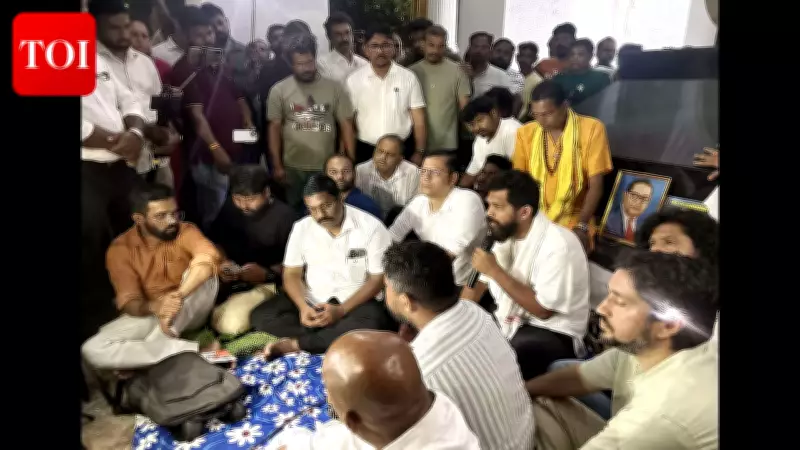
"Once the chief minister stayed such a consideration in Siridao-Palem, it must be followed everywhere," Rebello stated. "It cannot be arbitrary that only if someone goes on hunger strike, then it is kept in abeyance."
Background of Section 39A Mechanism
The Section 39A mechanism gained prominence after the state government withdrew draft taluka zoning plans, beginning with Pernem, which triggered widespread opposition over proposed large-scale land reclassification. Section 39A was subsequently presented as a corrective tool intended for limited, case-by-case adjustments.
However, Rebello argues that such case-by-case adjustments fall beyond the legal scope. "Section 16A in the TCP Act says that once the regional plan is notified, all development must be as per the plan," he explained. "Forests and orchards cannot be developed. Development can only happen in the settlement areas."
The former judge raised concerns about practical implications: "As far as Section 39A is concerned, there is a writ petition in the high court, and the court said that all approvals are subject to the final verdict. But what happens to an innocent purchaser who goes ahead and builds?"
Legal Experts Question Suspension Provisions
Senior advocate Norma Alvares criticized the government's approach, noting: "Goa govt is famous for suspending things when they are in trouble. The courts have held that there is no such provision for suspension. There is a provision for issuing notices or withdrawing legislation and permissions."
Alvares expressed skepticism about the legal validity of the suspension order: "I don't see the suspension order as a very legal document, but it was a document given to people who were on hunger strike as a form of an assurance that their demand would be considered."
She further clarified: "Technically, there is no provision for suspending permissions. It cannot apply to the rest of Goa. It is only a measure from govt to assure protestors that we are going to consider if perhaps there is something wrong, and they will discuss it in the assembly."
Urban Planner Highlights Systemic Issues
Urban planner Tahir Noronha pointed to broader systemic problems within the TCP department's objection process. "TCP department says that the public can file objections, but several cases I had objected to are now finally notified," he revealed.
Noronha described how objections are routinely dismissed: "Our objections are dismissed with the words 'lacks adequate detail to be considered further.'" This pattern suggests significant challenges in public participation and transparency within the planning approval framework.
The controversy highlights fundamental questions about legal consistency, procedural fairness, and the proper implementation of land development regulations in Goa's rapidly changing urban landscape.