Propylene Tanker Crash Sparks 32-Hour Nightmare on Pune-Mumbai Expressway
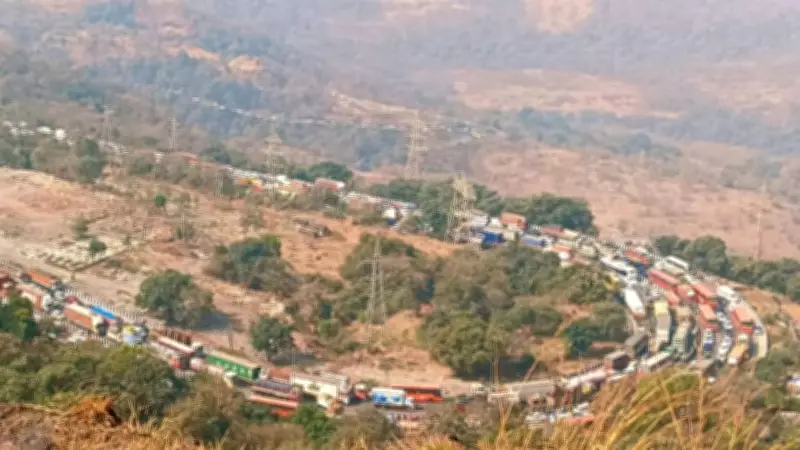
A catastrophic accident involving a tanker carrying highly flammable propylene gas has plunged the crucial Pune–Mumbai Expressway into chaos, resulting in an unprecedented 32-hour gridlock and raising serious questions about highway safety protocols in Maharashtra. The incident, which unfolded near the Adoshi Tunnel, transformed one of India's busiest transport corridors into a perilous danger zone, leaving thousands of commuters stranded in harrowing conditions.
Overnight Stranding and Traveler Distress
The overturned tanker triggered immediate gas leakage, forcing authorities to halt all traffic on both sides of the expressway. This decision, while necessary for public safety, trapped an estimated 30,000 trucks and countless private vehicles in a massive snarl that stretched nearly 50 kilometers. Travelers found themselves stuck overnight without access to food, fuel, or timely updates, causing many to miss critical medical appointments, business meetings, and family emergencies.
Public Transport Network Crippled
The ripple effects of the highway shutdown were felt across the region's transport infrastructure. Over 139 Maharashtra State Road Transport Corporation (MSRTC) trips were cancelled, with numerous private buses also immobilized. Desperate passengers shifted to Pune–Mumbai train services, leading to severe overcrowding and highlighting how a single highway failure can paralyze an entire multimodal transport network.
The Invisible Explosion Threat
Leaking propylene gas presented a grave explosion risk, with officials warning that even engine heat could ignite the volatile substance. Emergency response teams struggled to seal the damaged tanker valves promptly, necessitating a delicate operation to transfer the remaining gas into another tanker before the highway could be safely reopened. Authorities later revealed that a potential explosion could have devastated a 2–3 kilometer radius, making this incident a serious near-miss disaster.
Chaotic Diversions and Failed Planning
While authorities attempted to reroute traffic through alternative paths like Tamhini and Malshej Ghats, these exits quickly became congested, trapping many commuters before alerts could reach them. This reactive approach exposed significant flaws in emergency traffic management planning, demonstrating a lack of proactive measures to handle such crises on critical infrastructure.
Investigation Points to Speeding as Cause
Preliminary police investigations indicate that the tanker driver lost control on the Borghat slope due to excessive speed. The crash damaged critical valves, initiating the dangerous gas leakage. An FIR has been registered against the driver for rash and negligent driving that endangered public safety, with further legal proceedings expected.
Fuel Anxiety and Safety Compromises
Among the most distressing aspects of the ordeal was the rapid depletion of fuel among stranded vehicles. With no access to fuel pumps and engines idling for essential air-conditioning and ventilation, drivers faced impossible choices. Many resorted to rationing power, switching off lights and engines in tunnels and ghat sections, creating additional safety hazards. This fuel stress particularly affected families and elderly travelers who feared being completely immobilized once traffic eventually resumed.
Broader Implications for Highway Safety
This 32-hour crisis serves as a stark warning about the vulnerabilities of India's critical transport arteries. The incident has prompted calls for:
- Enhanced emergency response protocols for hazardous material transport
- Improved communication systems to alert travelers about disruptions
- Better contingency planning for alternative routes during highway closures
- Stricter enforcement of speed limits and safety regulations for commercial vehicles
The Pune–Mumbai Expressway, which normally handles massive daily traffic volumes, remains under scrutiny as authorities assess how to prevent similar incidents in the future and ensure that commuters are never again subjected to such prolonged, dangerous gridlock.