From Favors to Full Rights: Rethinking Disability Jurisprudence in India
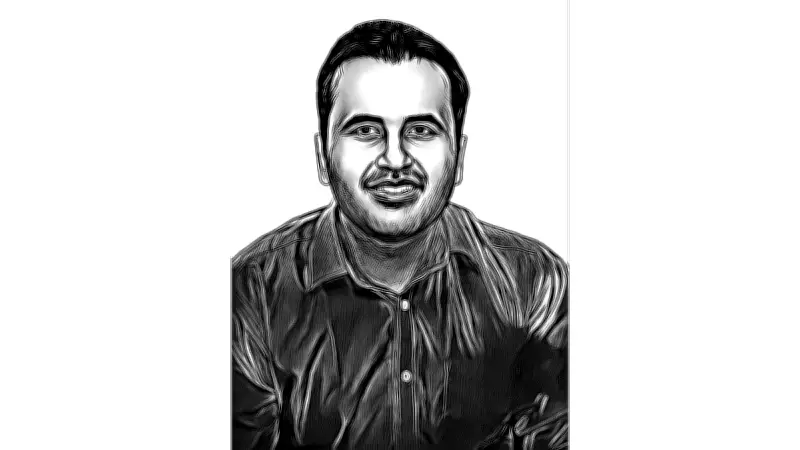
In a compelling opinion piece, Rahul Bajaj highlights a critical flaw in India's approach to disability rights. He argues that the current legal framework, while designed as rights-based, is undermined by an adversarial culture that treats necessary accommodations as mere concessions extracted under pressure.
The Adversarial Culture Hindering Progress
Bajaj points out that this culture creates a significant barrier to the effective implementation of disability laws. Instead of viewing accommodations as fundamental rights, they are often seen as favors or burdens, leading to resistance and delays in enforcement. This mindset perpetuates inequality and prevents the full realization of inclusion for persons with disabilities.
Shifting from Concessions to Inherent Rights
The article calls for a profound rethinking of disability jurisprudence. Bajaj emphasizes that for rights-based statutes to function properly, there must be a cultural shift. Accommodations should be recognized as inherent rights, not concessions granted reluctantly. This requires changes in legal interpretation, public policy, and societal attitudes to foster a more supportive and inclusive environment.
Implications for India's Legal and Social Landscape
By addressing this issue, India can move towards a more equitable society where disability rights are fully integrated into the legal system. Bajaj's insights urge stakeholders, including lawmakers, judiciary, and the public, to embrace a proactive approach that prioritizes dignity and autonomy over adversarial disputes.
This perspective is crucial as India continues to evolve its disability policies, aiming for greater compliance with international standards and domestic commitments to inclusion.