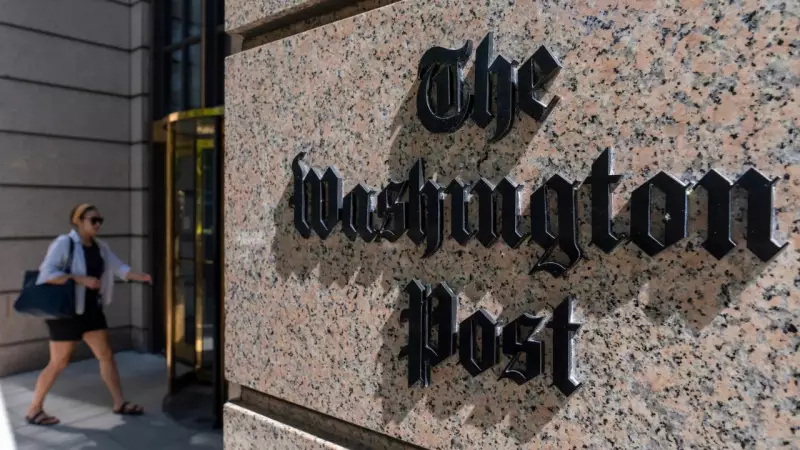
Federal agents conducted searches at the home of a Washington Post journalist this week. The investigation focuses on obtaining and reporting classified information from a Pentagon contractor.
Attorney General Confirms Operation
US Attorney General Pamela Bondi made the announcement on Wednesday. She stated the Department of Justice and FBI executed a search warrant at the journalist's residence. This action followed a request from the Department of War.
"The leaker is currently behind bars," Bondi declared. She emphasized the Trump Administration's stance against illegal leaks. "We will not tolerate illegal leaks of classified information that pose grave risks to national security," she added.

Press Freedom Concerns Emerge
The crackdown has immediately raised alarms among press freedom advocates. Many view this as a significant escalation against journalistic activities. The search specifically targeted a reporter who handles sensitive government information.
Bondi expressed pride in working alongside Secretary Hegseth on this effort. She posted her statement on the social media platform X. The message outlined the government's determination to protect national security interests.
Journalist's Background and Investigation Status
Washington Post reporter Hannah Natanson recently wrote about her experiences. She described her role as "the federal government whisperer" in a first-person account. During the past year, she received tips from hundreds of federal employees affected by Trump's government reshaping.
Authorities have informed Natanson that she is not a subject of the investigation. This suggests the FBI likely seeks one or more of her confidential sources. The journalist examined the FBI's search warrant herself after the execution.
Natanson shared detailed information about the warrant with her employer. CNN reported this development citing a person familiar with the matter. The search represents a direct government action against journalistic source protection.
Broader Implications for Journalism
This incident highlights ongoing tensions between national security and press freedom. The government claims classified leaks endanger military personnel and national safety. Journalistic organizations argue such actions threaten essential reporting on government activities.
The case involves information obtained from a Pentagon contractor. Classified materials allegedly reached the journalist through unauthorized channels. The government has already secured the arrest of the primary leaker in this matter.
Legal experts anticipate this case will spark debates about First Amendment protections. The balance between government secrecy and public transparency remains contested. This FBI action against a prominent newspaper journalist marks a notable development in this ongoing conflict.