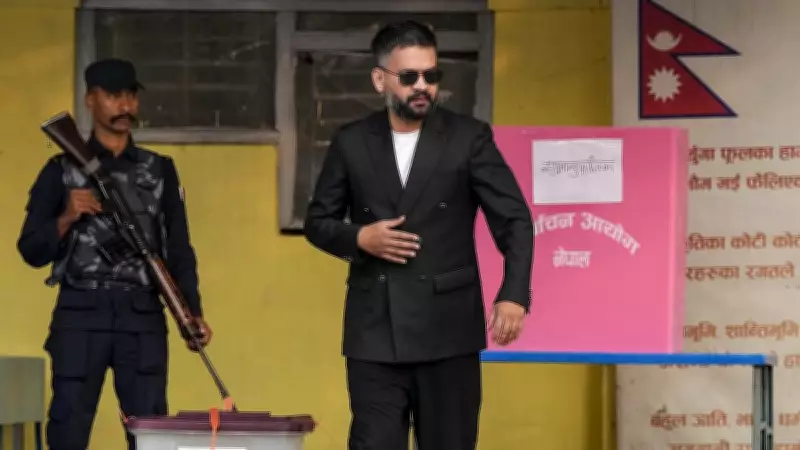
Rastriya Swatantra Party Achieves Landslide Victory in Nepal Under Balendra Shah's Leadership
In a stunning political development, the Rastriya Swatantra Party (RSP), led by former rapper Balendra Shah, is heading towards a decisive landslide victory in Nepal's recent general election. This outcome marks a significant shift in the country's political landscape, reflecting widespread voter support for the party's platform and leadership.
Election Details and Voter Participation
The election, held on Thursday, saw approximately 18.9 million eligible voters across Nepal participating in the democratic process to elect 275 members to the House of Representatives. According to preliminary reports, voter turnout was robust, with around 60 per cent of the electorate casting their ballots. This high level of engagement underscores the importance of this election in shaping Nepal's future governance and policies.
Balendra Shah's Political Ascent
Balendra Shah, once known for his career in rap music, has successfully transitioned into politics, founding the Rastriya Swatantra Party. His unique background and charismatic appeal have resonated with voters, particularly among younger demographics and those seeking change from traditional political elites. The party's campaign focused on issues such as economic reform, social justice, and anti-corruption measures, which appear to have struck a chord with the electorate.
The projected landslide victory indicates a strong mandate for the RSP, suggesting that voters are eager for new leadership and innovative approaches to address Nepal's challenges. This result could lead to significant policy shifts and a reconfiguration of political alliances in the country.
Implications for Nepal's Future
With the RSP poised to secure a majority in the House of Representatives, the party will have the opportunity to implement its agenda and drive legislative changes. Key areas of focus are likely to include:
- Economic development and job creation to boost Nepal's growth.
- Governance reforms aimed at increasing transparency and accountability.
- Social welfare programs to improve living standards for all citizens.
- International relations and trade policies to enhance Nepal's global standing.
As the final vote counts are tallied, political analysts are closely monitoring the situation to assess the full impact of this electoral outcome. The success of the Rastriya Swatantra Party under Balendra Shah's leadership represents a notable example of how non-traditional candidates can achieve political success through grassroots support and clear messaging.
This election result is expected to have lasting effects on Nepal's political dynamics, potentially inspiring similar movements in the region. The world will be watching as the new government takes shape and begins its work to fulfill the promises made during the campaign.