In a significant development, former Home Minister of Nepal, Ramesh Lekhak, has appeared before a high-level investigation committee. The panel is probing allegations of state atrocities and excessive use of force against demonstrators during the 2021 Gen Z-led protests.
Lekhak's Testimony Before the Investigative Body
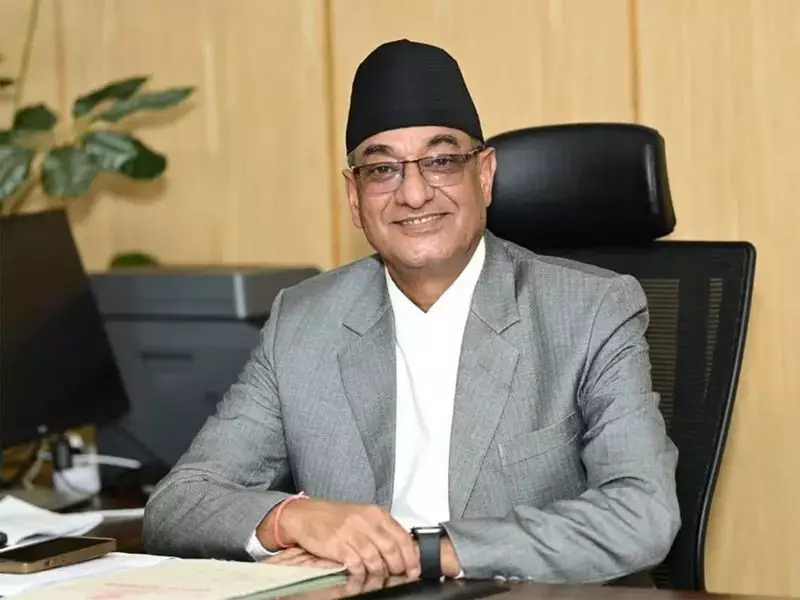
Ramesh Lekhak, who served as the Home Minister under the government led by Sher Bahadur Deuba, presented himself before the committee on Sunday. The probe body, led by former Supreme Court Justice Gopal Parajuli, is tasked with uncovering the truth behind the violent crackdown on protesters. These protests, primarily driven by the younger generation, demanded political reform and accountability.
The former minister's appearance is a crucial step in the investigation. He is expected to provide details about the decisions and orders issued from the top level of government during the period of unrest. The committee has the authority to recommend legal action against individuals found responsible for human rights violations.

Scrutiny of Police Actions During the 2021 Unrest
The investigation focuses on specific incidents where police action allegedly resulted in serious injuries and rights abuses against protestors. The Gen Z movement, which gained momentum in 2021, saw widespread demonstrations across Nepal. Protesters often clashed with security forces, leading to numerous allegations of disproportionate force.
The probe committee was formed in response to persistent public demand for justice. It aims to examine whether the use of tear gas, water cannons, and physical force by police was justified or constituted an atrocity. Victims and human rights organizations have long accused the state of suppressing dissent violently.
Implications and the Path Forward for Justice
The testimony of a former Home Minister places the investigation at the highest levels of past government authority. It signals a serious attempt to hold power accountable, regardless of position. The committee's findings could have major political and legal repercussions, potentially leading to prosecutions.
This process is being closely watched by activists, the victims' families, and the international community. It represents a test for Nepal's commitment to the rule of law and human rights. A transparent and impartial conclusion from the probe is essential to deliver justice for the affected youth and restore public trust in state institutions.
The committee continues to gather statements from other officials, security personnel, and victims. Its final report will be pivotal in determining the next steps, which may include formal charges against those deemed responsible for the alleged atrocities during the Gen Z protests.