Indian Entrepreneur Condemns Racist Backlash to Folk Dancer at Washington Monument
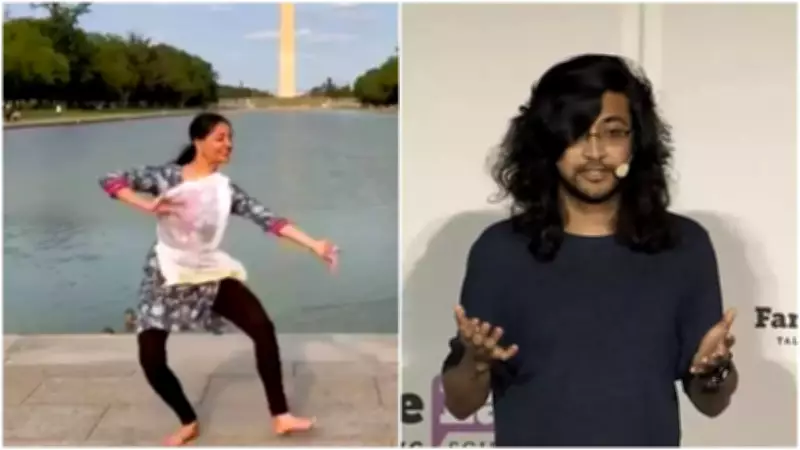
Mayukh Panja, a Germany-based Indian entrepreneur, has sparked a heated debate by describing the online backlash against an Indian folk dancer performing in front of the Washington Monument in the United States as "straight up racism." The controversy erupted after a social media post criticized the historic site being used as a "Telugu Tiktok dance stage," prompting Panja to call out what he sees as double standards and pervasive anti-Indian sentiment.
Double Standards in Cultural Expression
In his response, Panja pointedly questioned the differential treatment, arguing that if a group of white people were performing a traditional Irish dance at the same location, there would likely be no objection. "I am often critical of how the diaspora behaves on foreign shores. But the hatred towards this lady is just straight up racism," he wrote, expressing confusion over the repeated targeting of Indians and asking what drives "this obsession with Indians."
Addressing Anti-Immigrant Sentiment and Economic Contributions
Panja also tackled broader issues, addressing recurring hate from conservative factions in the US towards H-1B immigrants. He noted that the H-1B visa program was signed into law by Republican President George W. Bush, emphasizing its legal foundation. On the economic front, he highlighted that average tech salaries for Indian professionals in the US exceed $150,000, with many earning close to half a million dollars or more, and clarified that these roles do not involve competing for ordinary jobs. "So, what exactly are you so sore about?" Panja asked, suggesting that the proper response to such performances "should be appreciation with a touch of gratitude."
Legal Permissions and Ongoing Discussions
In a follow-up reply, Panja shared a link to National Park Service guidelines, underscoring that activities at iconic sites like the Washington Monument are permitted by law. This move aimed to counter claims of impropriety and reinforce the legitimacy of cultural expressions in public spaces.
Broader Implications for Cultural Norms and Immigration
The incident has fueled extensive online discussions about cultural expression, public-space norms, and attitudes toward Indian immigrants in the US. It raises critical questions about inclusivity and racism in global contexts, highlighting how such controversies can reflect deeper societal biases. As debates continue, this case serves as a reminder of the challenges faced by diaspora communities in navigating cultural integration and acceptance abroad.