Elgaar Parishad-Bhima Koregaon Case: A Tale of Bail and Legal Delays
In the Elgaar Parishad-Bhima Koregaon case, which has dragged on for eight years without charges being framed or the trial commencing, the status of the accused paints a complex picture. Of the 16 individuals arrested, one has died in custody, 14 are out on bail under stringent conditions, and only one remains incarcerated. This situation underscores the prolonged legal processes and the personal struggles faced by those involved.
The Sole Accused in Custody: Surendra Gadling
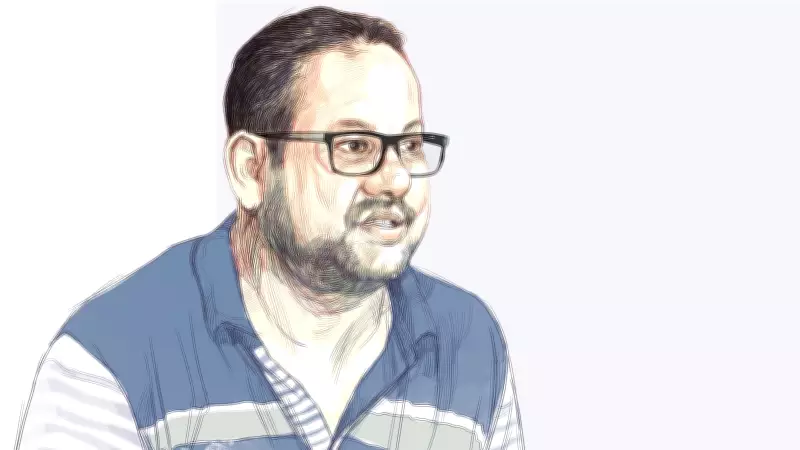
Surendra Gadling, a 57-year-old lawyer, is the only accused still in custody, with his bail plea pending in the Bombay High Court. Arrested on June 6, 2018, from Nagpur, Gadling faces allegations related to inciting violence at Bhima Koregaon on January 1, 2018. His wife, Minal, a tuition teacher in Nagpur, shares that he maintains his spirits, believing in his innocence. Gadling's legal career, marked by defending clients under the Unlawful Activities (Prevention) Act in Naxal-affected areas, has made him a target, according to associates. Born to a Dalit labourer, he became the first lawyer in his family, often taking up pro bono cases for marginalized communities.
Life After Bail for the 14 Accused
The 14 accused released on bail navigate life under restrictive conditions that limit their movement and interactions. Here are some of their stories:
- Hany Babu: A former Delhi University professor, Babu was granted bail in December 2025. He is adjusting to life in Navi Mumbai, dealing with bank account issues and planning medical surgeries. He has applied to be reinstated at DU and seeks court permission to visit his mother in Kerala.
- P Varavara Rao: Released on medical grounds in February 2022, Rao lives in Mumbai with his wife, suffering from age-related ailments and early-onset Parkinson's disease. He spends his time reading and writing, awaiting court approval to move to Telangana for treatment.
- Sudhir Dhawale: Out of prison since January 2025, Dhawale feels that "the whole country has changed into a jail," with limited space for dissent. He continues as editor of the Marathi magazine Vidrohi.
- Rona Wilson: Released in January 2025, Wilson struggles to rebuild his life in Mumbai, facing high living costs and difficulties in finding housing and opening bank accounts. He relies on support from friends and family.
- Mahesh Raut: Granted bail in September 2023 but held until 2025 due to a Supreme Court stay, Raut faces movement restrictions and weekly police station visits. He conducts research on socio-economic issues related to legal cases.
- Vernon Gonsalves and Arun Ferreira: Both released in August 2023, they lament bail conditions that include phone tracking by the NIA, limiting their professional and social interactions. Ferreira continues legal work but finds court commitments challenging.
- Sudha Bharadwaj: Granted default bail in November 2021, she is confined to Mumbai, an "alien city," and works with a labour law advocate due to inability to travel to Chhattisgarh.
- Anand Teltumbde: Released in November 2022, he describes moving from "a small jail to a bigger jail," with bail conditions disrupting his life and career. He has written extensively during this period.
- Gautam Navlakha: Permitted to move to Delhi in December 2025, he marks attendance at a police station weekly and cannot leave the city without court permission.
- Shoma Sen: Out on bail since April 2024, she feels under surveillance in Nagpur and faces health and financial strains from monthly court trips to Mumbai.
- Jyoti Jagtap: Released on interim bail in November 2025, she attends a police station weekly and awaits a final Supreme Court hearing while recovering from a knee injury.
Background of the Case
The Elgaar Parishad-Bhima Koregaon case stems from violence on January 1, 2018, at Bhima Koregaon, near Pune, where a memorial commemorates an 1818 battle involving Dalit soldiers. An FIR initially targeted right-wing leaders, but later, the Pune police blamed an Elgaar Parishad event held on December 31, 2017, alleging it was part of a Maoist conspiracy. Arrests followed, with accusations of incriminating evidence planted via malware, as claimed by the accused based on forensic reports. The case highlights issues under the Unlawful Activities (Prevention) Act and the challenges of prolonged legal proceedings.
As the legal battle continues, the accused grapple with the aftermath of their incarceration and the constraints of bail, reflecting broader themes of justice, human rights, and legal delays in India.