Delhi University's Campus Protest Ban Faces Legal Challenge in High Court
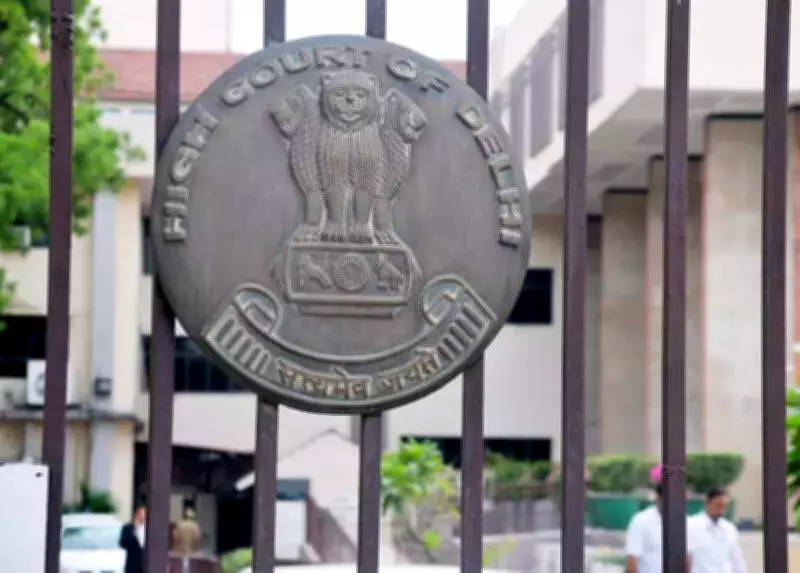
A law student has taken a significant step by approaching the Delhi High Court on Wednesday to challenge Delhi University's recent decision to impose a one-month ban on public meetings, processions, demonstrations, and protests across its campus. The ban, which was implemented over concerns related to traffic obstruction, safety threats, and disturbance of public peace, has sparked controversy and legal action.
Court Proceedings and Judicial Response
Justice Jasmeet Singh, presiding over the case, has made the police a party to the proceedings and directed that the petition be treated as a public interest litigation (PIL). This move underscores the broader implications of the issue for public rights and governance. The matter is now scheduled for further hearing in March before the bench of Chief Justice DK Upadhyaya, indicating a thorough judicial review ahead.
Allegations of Arbitrary Implementation
The plea filed by the student highlights that the ban was notified by the DU proctor on February 17 without any prior consultation or discussion with key stakeholders. These include the students' union, colleges, the teachers' union, the executive council, and the academic council. The petition asserts that this "blanket prohibition" was issued arbitrarily, describing it as "vague" and disproportionate in its scope.
According to the plea, the ban has had a tangible impact on campus activities, with DU colleges reportedly not conducting events or seminars, and annual fests being either cancelled or postponed as a result. This disruption raises questions about the balance between maintaining order and fostering an educational environment.
Core Issues of Free Speech and Fundamental Rights
The legal challenge emphasizes that educational institutes are vital spaces for learning and expression, and should not be silenced through administrative orders. The plea states, "Freedom of speech and expression is at the core of the fundamental rights of any citizen in the country," arguing that the ban infringes upon these constitutional protections. This perspective frames the issue as one of fundamental rights versus administrative control.
Background and Context of the Ban
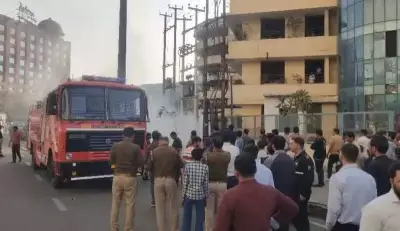
The ban was implemented following recent controversies on campus, including incidents where two FIRs were registered by Delhi Police earlier this month after a scuffle broke out between two student groups during a protest. These events have heightened concerns about safety and public peace, prompting the university's decision. However, the legal challenge questions whether such measures are justified or if they overreach in restricting student activism.
As the case progresses, it will likely delve into the nuances of how universities can manage security while upholding democratic values and student rights. The outcome could set a precedent for similar situations in educational institutions across India.