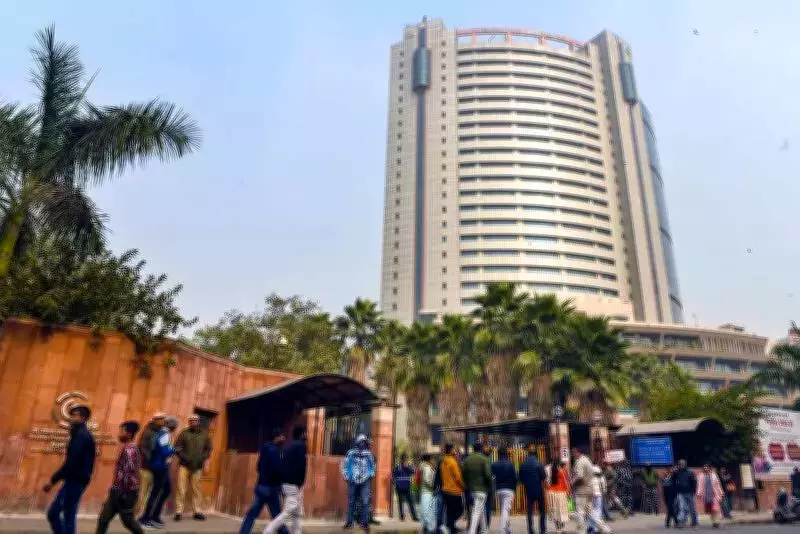
The Delhi High Court delivered a stern rebuke to the Municipal Corporation of Delhi on Wednesday, questioning why the civic body has failed to proactively disseminate crucial information online despite two decades having passed since the Right to Information Act came into force.
Court Questions MCD's 20-Year Delay in RTI Compliance
A bench comprising Chief Justice DK Upadhyaya and Justice Tejas Karia reminded the MCD that it has been twenty years since the RTI Act was enforced, yet the corporation has consistently failed to upload its legislative records, house proceedings, and resolutions on its official website. The court was hearing a public interest litigation filed by the Centre for Youth, Culture, Law and Environment, an NGO seeking time-bound uploading of all public information.
Section 4 Mandate Cannot Be Ignored
The bench strongly emphasized that Section 4 of the Right to Information Act makes it compulsory for authorities to act proactively. The purpose of mandating public authorities to publish information is clear — by making such information available suo motu, the public will have minimum resort to filing RTI applications. "No exception in this regard can be granted to any authority, including MCD," the court observed firmly.
The judges warned the civic body about the consequences of not adhering to the Act's provisions. "You want to know the consequences of not adhering to the Act? We will tell you the consequences," the bench cautioned while expressing frustration over the prolonged delay.
MCD's Defense and Court's Sharp Response
Appearing for MCD, standing counsel Tushar Sannu assured the court that corrective measures would be undertaken, explaining that the process to upload information was "underway at the corporation level" but would require additional time. To this, the bench retorted sarcastically, "Thanks to you for undertaking this exercise after 20 years. We are so thankful."
The court pointed out the statutory requirements clearly: "You are required to upload this information within 120 days and then at regular intervals. What were you doing? This Act was passed in 2005. It is 20 years down the line."
Petitioner's Claims and MCD's Contradictory Stand
The petitioner informed the court that in response to an RTI application, MCD had stated that no such records were updated on its website because work to "update" the website was ongoing following the unification of three erstwhile municipal bodies. Interestingly, MCD also took a contradictory stand that no rules or guidelines governed the publication of its resolutions on its official website, claiming it was governed by Section 86 of the Delhi Municipal Corporation Act.
The bench, however, stressed that Section 86 had nothing to do with the dissemination of information and particulars to the public. The court clarified that it has formed only a prima facie opinion at this stage and has listed the matter for further hearing in April.
Issue Affects Millions of Delhi Residents
The petitioner highlighted that this issue concerns millions of people residing in Delhi who have the right to access information about municipal proceedings and decisions that directly affect their lives. The court has directed MCD to file an affidavit in response to the petition, detailing what steps have been taken to implement the Act for providing information to the public through proactive publication.
This case represents a significant test of transparency mechanisms in urban governance, with the Delhi High Court taking a firm stance on ensuring that public authorities fulfill their statutory obligations under the RTI Act, particularly regarding proactive disclosure that reduces the need for citizens to file individual information requests.