Delhi High Court Reinstates Bail for Indian Youth Congress Chief
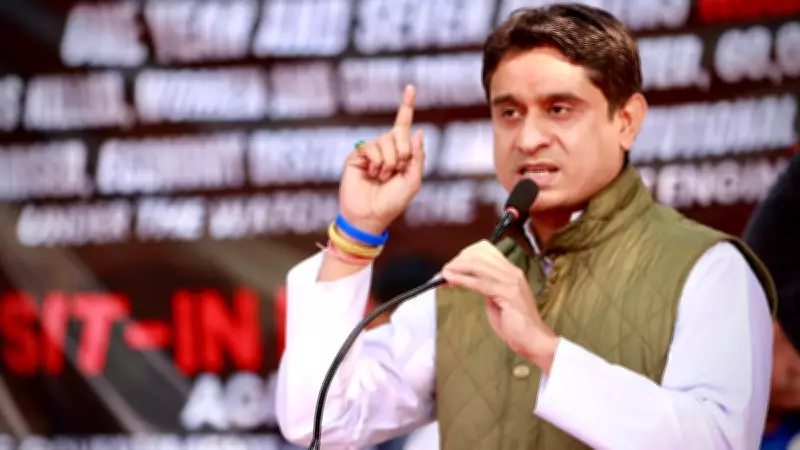
The Delhi High Court has made a significant ruling by restoring bail to the president of the Indian Youth Congress (IYC) in a high-profile case stemming from a shirtless protest at an Artificial Intelligence Summit. This decision marks a pivotal moment in the legal proceedings surrounding the incident, which had drawn considerable public and media attention.
Legal Arguments and Precedent Cited
During the court proceedings, the counsel representing the IYC chief relied heavily on the established legal precedent set by the Parvinder Singh Khurana case. In their submission, they argued that an ex parte interim order of stay issued by a court does not necessarily require specific reasons to be provided. This argument was central to the defense's strategy, emphasizing procedural aspects of judicial orders.
The court considered these submissions carefully, evaluating the applicability of the Khurana case to the current matter. The reliance on this precedent highlights the ongoing legal debates about the standards for interim orders and the necessity of detailed reasoning in such judicial decisions.
Background of the Case
The case originated from a protest staged by the IYC chief during an AI Summit, where he participated in a shirtless demonstration to voice opposition or highlight specific issues related to the summit's themes or policies. The protest led to legal action, with authorities filing charges that resulted in the initial grant and subsequent revocation of bail.
The Delhi High Court's intervention to restore bail underscores the judiciary's role in balancing legal procedures with individual rights. This ruling may have implications for similar cases involving protests and legal challenges in the future, setting a potential benchmark for how courts handle such matters.
Implications and Reactions
Legal experts have noted that this decision could influence how ex parte orders are viewed and challenged in Indian courts. By referencing the Khurana case, the ruling reinforces the principle that not all interim orders must be accompanied by exhaustive reasoning, which could streamline certain judicial processes.
Public and political reactions to the bail restoration are mixed, with supporters of the IYC chief welcoming the court's decision as a victory for protest rights, while critics may view it as leniency in cases involving public demonstrations. The case continues to be monitored closely, as further legal developments are expected.
In summary, the Delhi High Court's restoration of bail to the IYC chief in the AI Summit protest case, based on arguments from the Parvinder Singh Khurana precedent, represents a key legal development. It highlights the complexities of judicial procedures and the ongoing dialogue between law and activism in India.