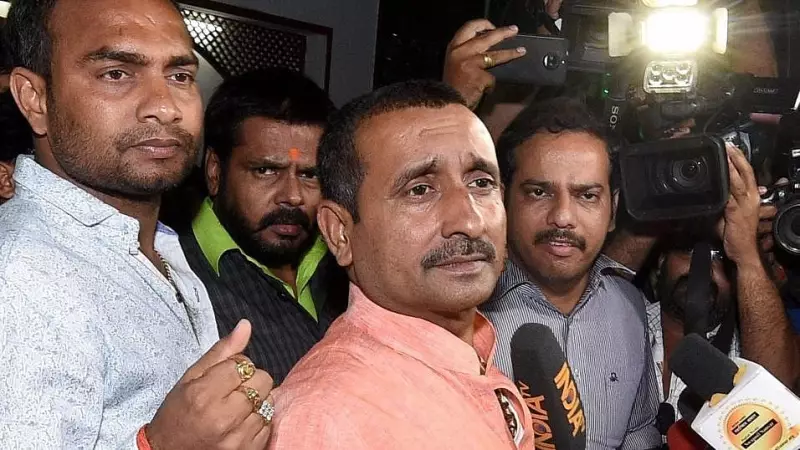
Delhi High Court Dismisses Kuldeep Sengar's Plea in Custodial Death Case
The Delhi High Court has dismissed a plea filed by former BJP leader Kuldeep Sengar. He sought suspension of his sentence in the custodial death case of the Unnao rape victim's father. This decision comes amid ongoing legal battles surrounding Sengar's convictions.
Background of the Case
Kuldeep Sengar, an expelled BJP leader, was serving a life imprisonment sentence in the Unnao rape case. The case involved the rape of a minor girl in Unnao, Uttar Pradesh. The victim's father died in police custody in 2018, leading to separate charges against Sengar and others for custodial death.
Recently, the Delhi High Court granted bail to Sengar in the Unnao rape case. However, the Supreme Court intervened promptly. It stayed the Delhi High Court's bail order, keeping Sengar in custody for now.
Court's Decision on Sentence Suspension
In the latest development, the Delhi High Court rejected Sengar's plea for suspension of his sentence in the custodial death case. The court heard arguments from both sides before making its ruling. Legal experts note that this decision underscores the seriousness of the charges against him.
The custodial death case is a separate legal proceeding from the rape case. It involves allegations that Sengar and others were responsible for the death of the victim's father while he was in police custody. The father was allegedly beaten and denied medical treatment, leading to his death.
Implications and Next Steps
This dismissal means Sengar's sentence in the custodial death case remains in effect. He cannot seek relief through suspension at this time. The Supreme Court's stay on his bail in the rape case adds another layer to his legal troubles.
Observers say these cases highlight issues of justice and accountability in high-profile matters. The Unnao rape case drew national attention due to the victim's courage and the subsequent custodial death. Public interest remains high as the legal processes continue.
Sengar's legal team may consider further appeals. However, for now, he faces continued imprisonment. The courts are handling multiple aspects of these interconnected cases with careful scrutiny.
This ruling reinforces the judiciary's role in addressing grave offenses. It sends a message about the consequences of such actions, regardless of the accused's political background. The victims' families and advocates have welcomed the decision as a step toward justice.