Delhi High Court Quashes Look-Out Circular Against NDTV Founders Prannoy and Radhika Roy
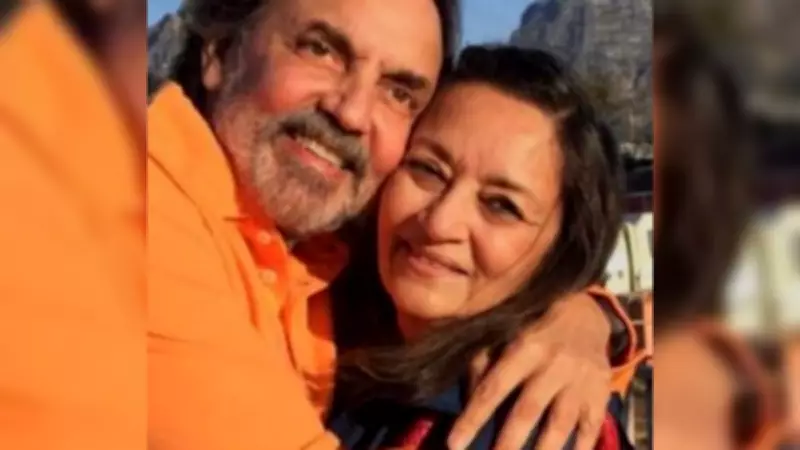
The Delhi High Court has delivered a significant ruling by quashing the look-out circular (LOC) that was issued against the founders of NDTV, Prannoy Roy and Radhika Roy. This decision marks a pivotal moment in the legal battle that has been ongoing for several years, bringing relief to the prominent media personalities.
Background of the Legal Challenge
Prannoy Roy and Radhika Roy had filed petitions in the year 2021, challenging the validity of the look-out circular that was opened against them. The circular was initiated at the behest of the Central Bureau of Investigation (CBI), following the lodging of two First Information Reports (FIRs). These FIRs were registered in the years 2017 and 2019, which formed the basis for the CBI's actions.
The look-out circular is a mechanism used by authorities to prevent individuals from leaving the country, typically issued in cases involving serious allegations or investigations. In this instance, it was deployed against the NDTV founders, leading to their legal recourse through the Delhi High Court.

Court's Decision and Implications
In its ruling, the Delhi High Court carefully examined the petitions and the circumstances surrounding the issuance of the LOC. The court found grounds to quash the circular, effectively removing the travel restrictions that had been imposed on Prannoy and Radhika Roy. This decision underscores the judiciary's role in safeguarding individual rights and ensuring due process in legal matters.
The quashing of the look-out circular is expected to have broader implications for media freedom and the treatment of journalists and media owners in India. It highlights the importance of judicial oversight in cases where state agencies exercise powers that could impact personal liberties.
Reactions and Future Steps
While the immediate reaction from the Roys or their legal team has not been detailed in the report, this ruling is likely to be welcomed by supporters of press freedom and legal transparency. The case has drawn attention to the interplay between media institutions and investigative agencies, raising questions about the use of legal tools in such contexts.
Moving forward, the focus may shift to the underlying FIRs from 2017 and 2019, which prompted the CBI's actions. The Delhi High Court's decision does not necessarily address the merits of those cases, but it removes a significant hurdle for the NDTV founders in terms of their mobility and legal standing.
This development is part of a larger narrative involving NDTV, one of India's leading news networks, and its encounters with regulatory and legal challenges over the years. The ruling adds a new chapter to this story, emphasizing the resilience of legal avenues in addressing grievances.