Delhi High Court Dismisses AAP Leaders' Recusal Plea in Liquor Policy Case
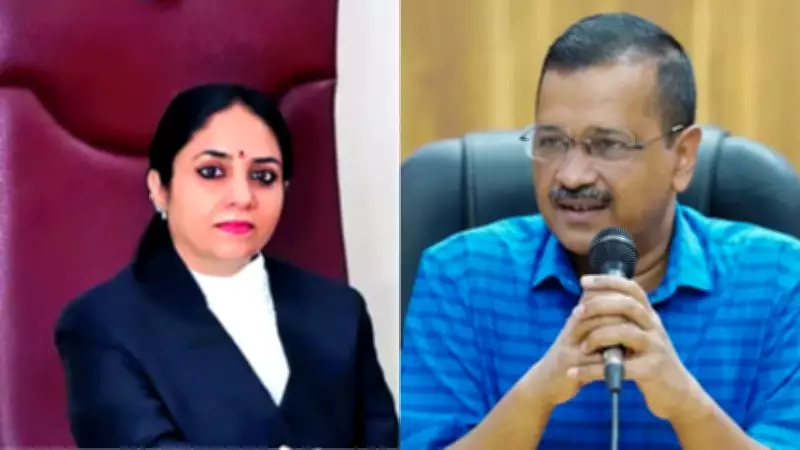
The Delhi High Court on Monday firmly dismissed petitions by Aam Aadmi Party (AAP) leaders seeking the recusal of Justice Swarana Kanta Sharma from the liquor policy case. The court emphasized that a politician cannot be permitted to judge judicial competence based solely on personal perception, upholding the integrity of the judiciary.
Judge's Strong Stance Against Recusal Demand
Justice Sharma declared, "This court will stand up for itself and the institution.... I will not recuse," as she read out parts of the order from the dais for over an hour. She explained in Hindi that recusing from the case would set a disturbing precedent, as a judge cannot step down merely to satisfy a litigant's unfounded suspicions. The court highlighted that the courtroom must not become a "theatre of perception," and judicial competence is determined by higher courts, not by litigants.
Rebuttal of Allegations and Concerns Over Judicial Independence
Justice Sharma rebutted points raised by former Chief Minister Arvind Kejriwal and others in their plea, stating that agreeing to their demand would be an act of surrender, signaling that the institution could be bent or shaken. She noted that the recusal file arrived with aspersions and insinuations rather than evidence, and stressed that personal attacks on a judge are attacks on the institution itself, potentially threatening courts at all levels.

The High Court pointed out that Kejriwal had created a catch-22 situation for the court and a win-win scenario for himself. If Justice Sharma recused herself, it might validate the allegations; if she heard the matter, the outcome could still be questioned. The court made it clear it would not bend to a media-driven narrative.
Detailed Examination of Bias Claims
Justice Sharma addressed specific allegations, including her participation in events organized by the Adhivakta Parishad and the professional engagements of her family members. She explained that attending such events is routine for judges and does not imply political bias. "How can anyone say that just because I attended an event of some lawyers' organisation, my mind must have been closed that I will not decide the cases fairly," she questioned.
Regarding her relatives practicing on central government panels, the court stated that no nexus to the case had been shown, and such allegations, if accepted, could prevent courts from hearing any matter involving the Union of India. Justice Sharma emphasized that litigants cannot dictate how a judge's family lives their lives without proof of misuse of office.
Broader Implications and Future Proceedings
The judge termed this a defining moment for the court, warning that accepting such grounds for recusal could have deeper constitutional ramifications, eroding public confidence in the judiciary. She cautioned that justice must be administered, not managed, and reiterated that a lie repeated in court or on social media does not become truth.
The Delhi High Court will now hear the matter next on April 29, continuing to uphold judicial principles and independence in the face of political challenges.