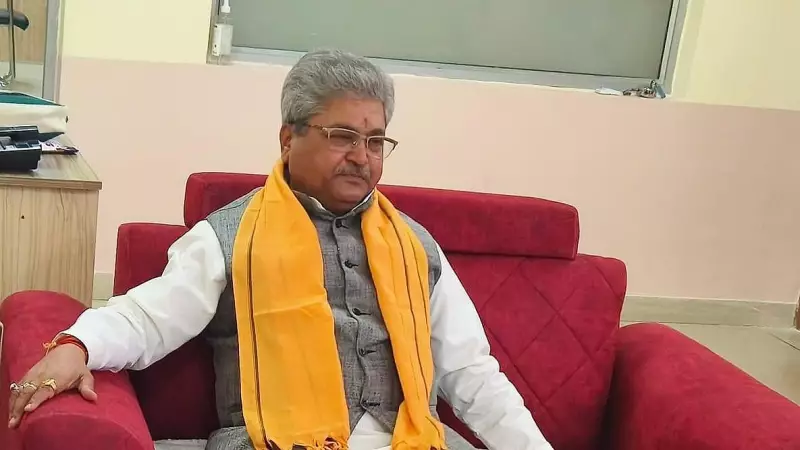
The Delhi High Court has taken decisive legal action, issuing an interim order that compels the Indian National Congress, the Aam Aadmi Party (AAP), and several other individuals and entities to immediately remove social media posts. These posts had allegedly linked Bharatiya Janata Party (BJP) leader Dushyant Kumar Gautam to the sensitive and high-profile Ankita Bhandari case.
Court's Directives and Parties Involved
In its order passed on 07 January 2026, the bench directed the political parties and others to take down the contentious content from their digital platforms. The court's directive is not limited to the major political opponents. The interim order also explicitly names Urmila Sanawar and the Uttarakhand Pradesh Congress Committee among the entities against whom the order has been passed.
This legal intervention came after Gautam approached the court, seeking protection of his reputation and legal recourse against what he claimed were defamatory and unsubstantiated allegations circulating online. The posts in question attempted to draw a connection between the BJP leader and the tragic case of Ankita Bhandari, a young woman whose death in Uttarakhand had sparked national outrage and a political firestorm.
Legal Implications and Political Ramifications
The court's order underscores the growing judicial scrutiny on the use of social media by political actors, especially when it involves serious criminal allegations. By granting an interim injunction, the court has effectively put a hold on the circulation of these specific claims until the matter is examined in greater detail. This move highlights the balance courts are trying to strike between free political discourse and the prevention of potentially harmful misinformation.
For the Congress and AAP, this directive means a mandatory withdrawal of their campaign material on this particular issue. Non-compliance could lead to contempt of court proceedings. The case also brings the Ankita Bhandari tragedy back into the legal and political spotlight, demonstrating how the case continues to be a point of contention and instrumentalization among rival political groups.
What Happens Next?
The interim order is typically the first step in a longer legal battle. The court will likely schedule further hearings where all parties involved—including the Congress, AAP, Urmila Sanawar, and the Uttarakhand Congress unit—will have the opportunity to present their arguments. The core question will revolve around the veracity of the claims made in the social media posts and whether they constitute defamation.
This development is a significant moment in the intersection of law, politics, and digital media in India. It sets a precedent for how courts may handle similar cases where sensitive criminal investigations become fodder for political point-scoring. The outcome could influence the strategies political parties employ on digital platforms during heated electoral and political confrontations.
All eyes are now on the concerned parties to comply with the Delhi High Court's order and on the subsequent legal proceedings that will determine the final outcome of this contentious issue.