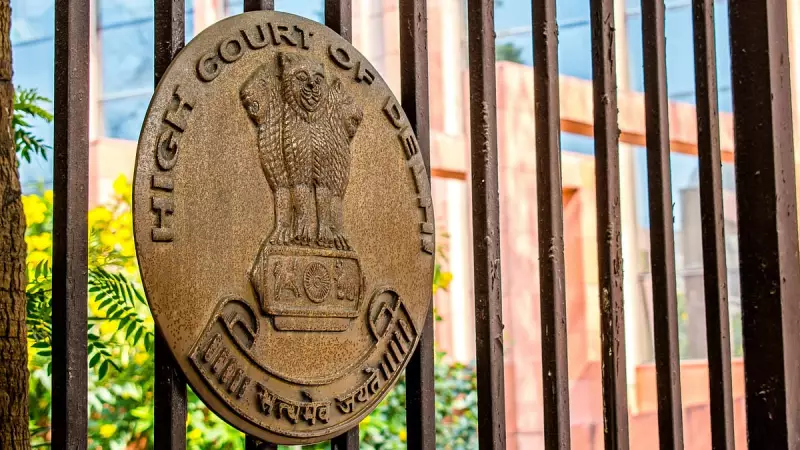
The Delhi High Court has taken a significant step in an ongoing aviation safety dispute, directing the country's aviation regulator to formally respond to allegations of contempt. The court has asked the Directorate General of Civil Aviation (DGCA) to file its reply concerning a plea filed by a pilots' representative body. The plea accuses the regulator of failing to enforce updated flight duty time limitations designed to combat pilot fatigue.
Core of the Contempt Allegation
The contempt petition, filed by the pilots' organisation, centres on the purported non-implementation of the Civil Aviation Requirement (CAR) 2024 framework. This framework establishes revised norms for Flight Duty Time Limitations (FDTL), which are critical for managing pilot fatigue and ensuring flight safety. The plea makes a serious allegation: that airlines have been granted extensions and relaxations in these crucial pilot fatigue management rules. The petitioners argue that such actions by the DGCA are in direct violation of the legally mandated CAR 2024 provisions.
Regulatory Framework and Alleged Breach
The Civil Aviation Requirement 2024 represents the latest regulatory standard for managing pilot workload and rest periods in India's civil aviation sector. Its implementation is seen as vital for mitigating risks associated with crew fatigue, a known factor in aviation safety. The pilots' body contends that by allowing deviations from this framework, the DGCA is undermining its own safety regulations. The court's intervention, dated 16 December 2025, compels the regulator to explain its position on these allegations and justify any permissions granted to airlines that may contravene the established duty norms.
Implications for Aviation Safety and Industry
This legal development highlights a tense intersection between regulatory oversight, airline operational demands, and frontline personnel welfare. The outcome of the DGCA's reply and the subsequent court proceedings could have far-reaching consequences. A ruling in favour of the pilots could mandate stricter adherence to flight duty norms, potentially affecting airline scheduling and costs. Conversely, it will also test the robustness of India's aviation safety governance. The case puts the spotlight squarely on the DGCA's role as an enforcer of safety protocols designed to protect both flight crew and the travelling public from the dangers of fatigue-related errors.