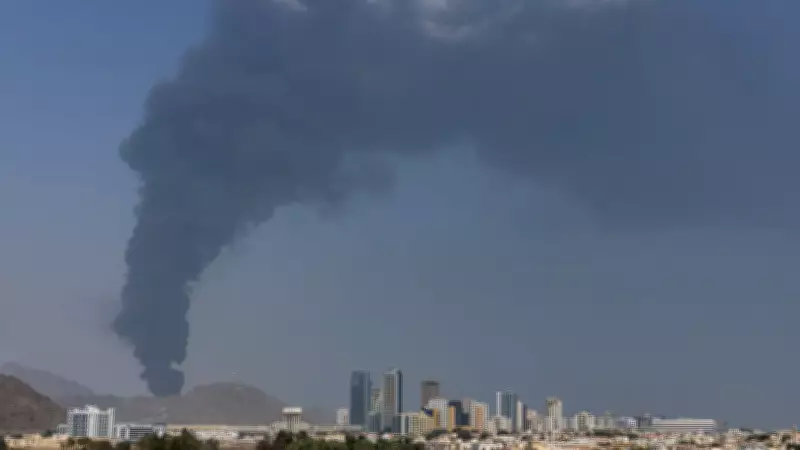
Debris from Intercepted Attack Injures 12 in Abu Dhabi, Including Indian Nationals
At least twelve individuals, comprising five Indian nationals, sustained injuries in Abu Dhabi on Friday after debris fell following the interception of an attack, as confirmed by the government media office. The incident occurred in the Ajban area, where shrapnel from an intercepted Iranian missile caused harm to residents, highlighting escalating tensions in the Gulf region.
Details of the Injuries and Official Statement
The Abu Dhabi Media Office provided specifics on the injuries in a post on X, stating that the event resulted in minor to moderate injuries for six Nepali nationals and five Indian nationals, with one Nepali individual suffering a major injury. This incident underscores the broader impact of regional conflicts spreading beyond primary zones, affecting civilian populations and international communities residing in the UAE.
Rising Tensions and Broader Implications
The injuries coincide with heightened tensions across the Gulf, as the ongoing war extends its influence, prompting safety measures such as the closure of churches in the UAE over Easter Sunday per government orders. Additionally, the Revolutionary Guard issued a warning via a Telegram channel, declaring eighteen US tech companies as legitimate targets in retaliation for alleged involvement in American and Israeli strikes on Iranian soil.

Key Points from the Revolutionary Guard's Warning:
- The post threatened that for every assassination, an American company would be destroyed.
- Attacks were scheduled to commence at 8:00 PM Tehran time on Wednesday, April 1.
- Employees at the targeted companies were advised to vacate their workplaces immediately to ensure their safety.
Security Concerns for Gulf Infrastructure
This growing threat has amplified fears regarding the security of Gulf energy infrastructure and the Strait of Hormuz, a critical passage through which approximately one-fifth of the world's oil and natural gas transits during peacetime. The situation raises alarms about potential disruptions to global energy supplies and regional stability, as conflicts intensify and spill over into neighboring areas.
The incident in Abu Dhabi serves as a stark reminder of the far-reaching consequences of regional hostilities, affecting not only military targets but also civilian lives and international relations in the volatile Gulf region.