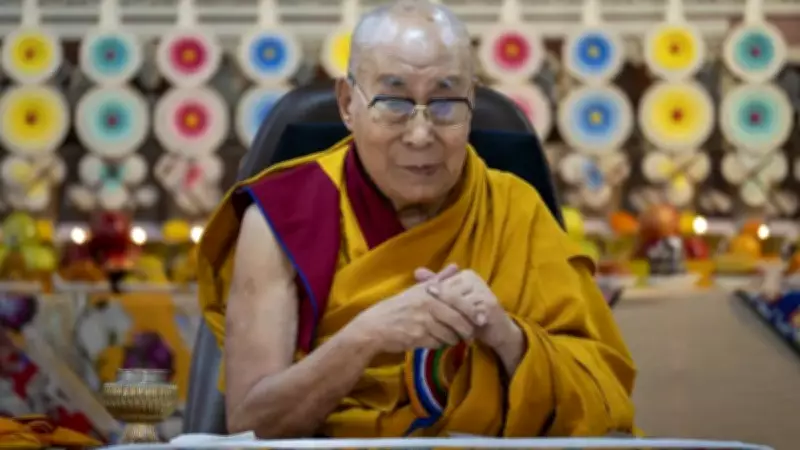
Dalai Lama Issues Strong Denial Over Media Reports Linking Him to Jeffrey Epstein
The Dalai Lama, the spiritual leader of Tibetan Buddhism, has categorically denied and refuted recent media reports that have attempted to associate him with the notorious convicted sex offender Jeffrey Epstein. In a statement released on February 8, 2026, the Dalai Lama's office addressed what it described as "baseless and misleading" claims circulating in certain news outlets.
Context of the Controversial Media Reports
According to sources, the media reports in question suggested a connection between the Dalai Lama and Epstein, who was convicted for sex trafficking and other related crimes before his death in 2019. These reports allegedly implied some form of association or interaction, though no specific evidence or details were provided to substantiate such claims. The Dalai Lama's representatives have emphasized that there is no truth to these allegations and that they are part of a smear campaign aimed at tarnishing his reputation.
Official Statement from the Dalai Lama's Office
In the official statement, the Dalai Lama's office stated, "We strongly deny any links between His Holiness the Dalai Lama and Jeffrey Epstein. These reports are completely unfounded and represent a gross misrepresentation of facts." The statement further clarified that the Dalai Lama has never met Epstein, had no dealings with him, and condemns all forms of abuse and exploitation. The office urged the media to exercise responsibility and verify information before publishing such damaging stories.
Impact on the Dalai Lama's Global StandingThis incident has sparked discussions about the potential impact on the Dalai Lama's global image and his longstanding advocacy for peace, compassion, and human rights. As a Nobel Peace Prize laureate and a prominent figure in international diplomacy, the Dalai Lama has often been a target of misinformation campaigns. Experts suggest that such false reports could undermine his efforts in promoting dialogue and harmony, particularly in sensitive geopolitical contexts.
Reactions from Supporters and Followers
Followers and supporters of the Dalai Lama have expressed outrage over the media reports, calling them "defamatory" and "irresponsible." Many have taken to social media and other platforms to voice their support, highlighting the Dalai Lama's decades of work for the welfare of humanity. Buddhist communities worldwide have also rallied behind him, reaffirming their trust in his integrity and moral leadership.
Media Accountability and Ethical JournalismThis case has raised broader questions about media accountability and the ethics of journalism in the digital age. Critics argue that the spread of unverified information, especially involving high-profile individuals like the Dalai Lama, can have severe consequences. They call for stricter adherence to journalistic standards, including fact-checking and source verification, to prevent the dissemination of false narratives that can harm reputations and public trust.
Historical Context of Misinformation Campaigns
It is not the first time the Dalai Lama has faced such challenges. Over the years, he has been subjected to various misinformation campaigns, often linked to political tensions surrounding Tibet and China. Analysts note that these reports may be part of a larger pattern aimed at discrediting his spiritual and political influence. The Dalai Lama has consistently maintained his commitment to non-violence and dialogue, despite such obstacles.
In conclusion, the Dalai Lama's denial of media reports linking him to Jeffrey Epstein underscores the ongoing battle against false information in today's media landscape. As the story develops, it serves as a reminder of the importance of critical thinking and reliable sourcing in news consumption. The Dalai Lama's office continues to advocate for truth and transparency, hoping to put this controversy to rest and focus on his humanitarian missions.