The Chilling Crimes of Cyanide Mallika
She moved through temples with quiet purpose. She listened to women's troubles with apparent sympathy. She presented herself as a devout believer who could solve problems through special rituals. But K D Kempamma, better known as Cyanide Mallika, was actually Bengaluru's most terrifying serial killer. Police believe she may have been India's first female serial killer.
A Pattern of Calculated Murder
Kempamma followed a consistent and chilling pattern. She frequented temples across Bengaluru, watching for women who appeared distressed. She would approach them, listen to their personal problems, and offer herself as a sympathetic confidante. Her targets often struggled with childlessness, financial troubles, or family discord.
Once she gained their trust, Kempamma would suggest special rituals like mandal pooja. She insisted these rituals must happen at temples on the city's outskirts, far from the victims' homes. This isolation became crucial to her crimes.

At these secluded locations, Kempamma administered cyanide to her victims. Sometimes she mixed the poison in what she called holy water. Other times she put it in food. In some cases, she forcefully held victims' noses to make them drink the poisoned liquid. Death came quickly. After her victims collapsed, Kempamma calmly removed their jewellery and valuables before disappearing.
The Arrest That Revealed a Serial Killer
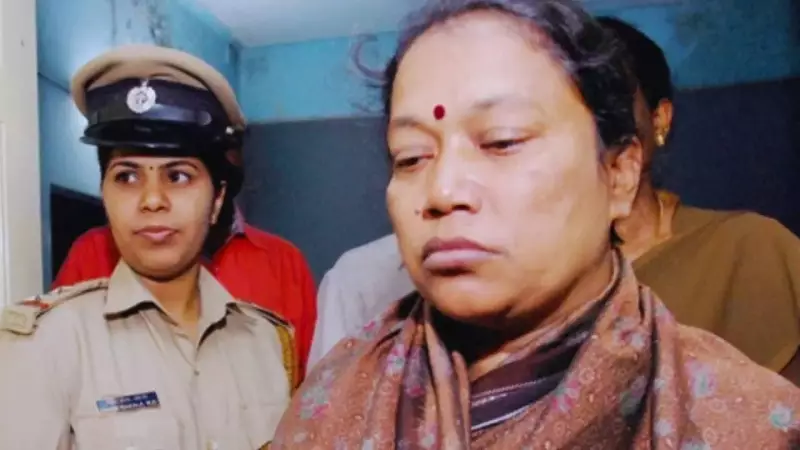
Police finally caught Kempamma on December 31, 2007. Kalasipalyam police received a tip about a woman trying to sell jewellery and mobile phones suspiciously at a bus stand. When questioned, she identified herself as Mallika. Her subsequent confession stunned investigators.
Then city police commissioner N Achuta Rao revealed the shocking details. "She had single-handedly murdered six women by using cyanide and decamped with their jewellery and valuables," he said. Kempamma, then 43 years old, confessed to killing at least six women since 1999. In just the last three months of 2007, she had murdered five women in Bengaluru.
A Trail of Mysterious Deaths
Kempamma's confession forced police to reopen several cases previously registered as mysterious or unnatural deaths. Of the murders she admitted to, police said three had been recorded as mysterious deaths and two as unnatural deaths. The women often died inside temple premises with no visible signs of violence, making foul play difficult to suspect initially.
West DCP K V Sharat Chandra explained how police began re-examining deaths reported in temples over previous years. They consulted medical experts to identify cases involving cyanide poisoning. The reopened cases revealed disturbing similarities - women found dead during prayers, missing jewellery, and no immediate suspects. Kempamma's confession finally connected these separate incidents.
From Businesswoman to Murderer
Police investigations revealed Kempamma's troubled past. She lived in Kaggalipura and ran a chit fund business. She was married to Devaraj, a tailor working at NIMHANS. Her life changed dramatically in 1998 when she suffered heavy business losses and her husband abandoned her.
Thrown out of her home and left to fend for herself, Kempamma chose what police called a "murderous path." Her first confirmed murder happened on October 19, 1999, in Hoskote. She killed 30-year-old Mamatha Rajan while the victim was praying.
Intensified Killing Spree
Kempamma's murderous activities intensified dramatically in 2007. Between October and December that year, she killed five women, all in Bengaluru. Her final known victim was a 30-year-old woman distressed about not having a male child. Kempamma murdered her while she slept.
Each killing followed the same pattern - befriending the victim at a temple, suggesting special pooja, isolating them at a distant location, and administering cyanide. She sold or pledged the stolen jewellery, which eventually led to her arrest.
Previous Criminal History
In a chilling revelation, police disclosed that Kempamma had been arrested once before. Bidadi police caught her in 2001 while she attempted to rob jewellery from a house where she was performing a ritual. She received a six-month prison sentence and served her term.

That earlier arrest did not trigger deeper investigation into her activities. It took another six years - and multiple deaths - for her full crimes to be uncovered.
Legal Proceedings and Sentences
After her 2007 arrest, Kempamma faced multiple trials across different courts. A Fast Track Court gave her the death sentence for murdering five elderly women for gain. In 2010, a Tumkur court sentenced her to death for murdering Muniyamma at the Yediyur Siddalingeshwara temple in Kunigal taluk.
In 2012, the Bangalore rural 1st additional sessions court again imposed the death penalty for murdering K Nagalakshmi at Ghati Subramanya. She had used cyanide and electric wire before committing robbery in that case.
Another sessions court awarded the death sentence for murdering Nagaveni, a childless housewife found dead in a Doddaballapur temple. Kempamma had persuaded Nagaveni to perform special pujas while wearing all her jewellery.
Court Interventions and Life Sentences
The Karnataka High Court intervened in some cases. In one instance, it remanded a case back to the sessions court, directing it to record cross-examination of the doctor who conducted the post-mortem and complete the trial within a stipulated time.
In other cases, trial courts awarded Kempamma life imprisonment. For murdering 50-year-old Pillamma in Maddur taluk, the additional sessions court sentenced her to life imprisonment with a Rs 5,000 fine.
Life Behind Bars
Kempamma, often described in police records as possibly India's first woman serial killer, was lodged in Parappana Agrahara central prison. She later made headlines when reports emerged that she was housed in a cell adjacent to AIADMK leader VK Sasikala.
Following security concerns, jail authorities shifted Kempamma to Hindalga prison in Belagavi. This is one of India's oldest prisons, housing several death row convicts and terror accused. Jail sources said the move happened quietly without prior intimation to the inmate.
The Ultimate Weapon: Trust
Investigators emphasized that Kempamma's greatest weapon was not cyanide but trust. She exploited faith and vulnerability, turning temples into hunting grounds and rituals into instruments of death. Her victims trusted her as a fellow devotee, never suspecting that the holy water she offered would be their last.
As police pieced together her crimes, the pattern became unmistakable - a serial killer who hid in plain sight, using religion as a shield and distress as a doorway. The case serves as a grim reminder that evil sometimes wears the most convincing disguise.