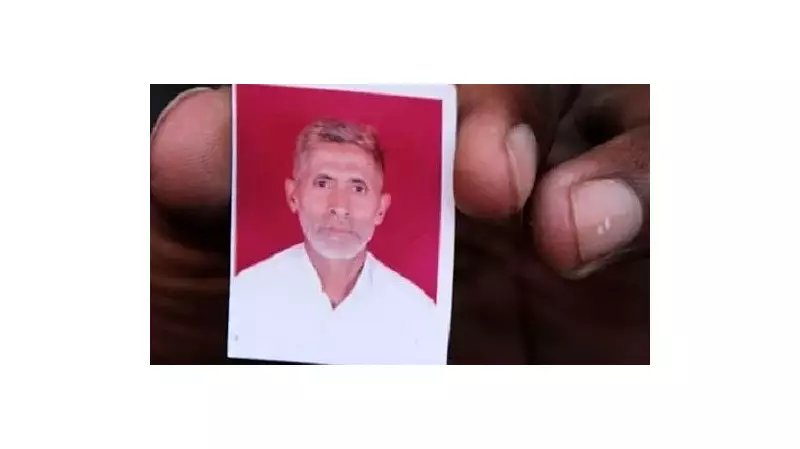
In a significant development, a court in Uttar Pradesh has firmly rejected the state government's application seeking to withdraw all charges against the accused in the high-profile Mohammed Akhlaq lynching case. The court has mandated an expedited trial, ordering proceedings to be held on a daily basis.
Court Directs Daily Hearings, Fast-Tracks Trial
While dismissing the government's plea, the court set January 6 for the next hearing in the matter. It issued clear directives to accelerate the long-pending trial. The bench ordered that the case must now be heard every day without unnecessary adjournments. Furthermore, it instructed the prosecution to promptly record the statements of all witnesses. This move is seen as a crucial step towards ensuring the judicial process moves forward without further delays.
Background of the Case and Government's Move
The case dates back to 2025, when Mohammed Akhlaq was allegedly lynched by a mob. The incident had sparked nationwide outrage and brought the issue of mob violence to the forefront of national discourse. The Uttar Pradesh government, led by a different administration than the one in power during the incident, had recently filed an application in court seeking permission to withdraw the charges against all the accused. Such applications are sometimes filed under Section 321 of the Code of Criminal Procedure (CrPC), which allows a public prosecutor to withdraw from prosecution with the court's consent.

Legal and Social Implications of the Ruling
The court's decision to reject the withdrawal plea is being viewed as a strong reaffirmation of the judiciary's independence. It underscores the principle that the pursuit of justice in serious criminal cases should remain insulated from political considerations. Legal experts suggest that by ordering a day-to-day trial, the court aims to prevent the case from lingering in the judicial system, which often leads to witness tampering or loss of interest. This ruling is expected to have wider implications for how similar mob lynching cases are handled across the country, setting a precedent for judicial rigor.
The prosecution's next step is to comply with the court's order and prepare for the intensive trial schedule starting in January. All eyes will now be on the proceedings as the case enters a potentially decisive phase.