Ahmedabad Court Sentences Constable to One-Year Jail for Drunk Duty at PM Modi's Brother's House
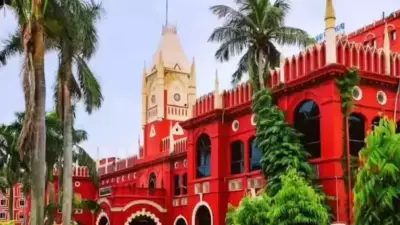
In a significant ruling, a local court in Ahmedabad has handed down a one-year jail sentence to a police constable for reporting for security duty in an inebriated state at the residence of Prime Minister Narendra Modi's brother in Ranip back in 2016. The case underscores the strict enforcement of Gujarat's prohibition laws and the serious consequences of dereliction of duty in sensitive security assignments.
Case Details and Investigation
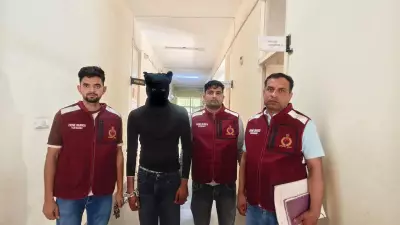
The incident involved Lakshmansinh Parmar, an unarmed police constable who was stationed at Somabhai Modi's house located in Someshwar Park, Ranip. On November 15, 2016, Inspector R S Tomar from the Shahibaug headquarters conducted a routine inspection and discovered Parmar in a drunken condition. This led to immediate action, with the inspector filing a First Information Report (FIR) against Parmar under specific sections of the Gujarat Prohibition Act.
Following the FIR, Parmar was released on bail but subsequently faced a full trial. The prosecution built a robust case by examining a total of 12 witnesses and presenting comprehensive documentary evidence. A key piece of evidence was the Forensic Science Laboratory (FSL) report, which revealed that Parmar's blood contained 0.0747% ethyl alcohol. This level exceeded the permissible maximum alcohol limit of 0.05% as prescribed under the Prohibition Act, solidifying the charges against him.

Court Proceedings and Sentencing
After a thorough trial, Chief Judicial Magistrate P K Pandya of the Ahmedabad rural court concluded that the evidence unequivocally established Parmar's guilt. The court noted that Parmar was not only drunk but also in uniform and on duty at the time, which aggravated the offense. During the sentencing phase, the court heard Parmar's plea for leniency, while the prosecution demanded an exemplary punishment to serve as a deterrent.
In its verdict, the court sentenced Parmar to one year of rigorous imprisonment and imposed a fine of Rs 1,000. The judgment emphasized that the offense was against society, highlighting the broader purpose of Gujarat's prohibition laws to prevent alcohol consumption, which is viewed as a social evil. The court stated, "The prohibition of alcohol in the state of Gujarat is imposed because drinking is considered a social evil, often causing mental distress to people in the community and those around the drinker. Therefore, the accusation against the accused can be deemed serious from a societal perspective."
Legal and Social Implications
This case brings to light several critical aspects of law enforcement and judicial processes in Gujarat. The court clarified that, as it was a summons trial under the Code of Criminal Procedure (CrPC) provisions, it was not mandatory to hear the accused before sentencing. However, in the interest of justice, the court did consider Parmar's plea, demonstrating a balanced approach to judicial proceedings.
From a societal viewpoint, the ruling reinforces the state's commitment to upholding prohibition laws, which have been a cornerstone of Gujarat's legal framework for decades. It also serves as a stark reminder to public servants, especially those in security roles, about the severe repercussions of misconduct while on duty. The incident at a high-profile location like the Prime Minister's brother's house adds an extra layer of scrutiny, making this case a notable example of accountability in public service.
As Gujarat continues to enforce its strict anti-alcohol policies, this judgment may influence future cases involving similar offenses, potentially leading to stricter adherence to duty protocols among law enforcement personnel. The case also highlights the importance of forensic evidence, such as the FSL report, in securing convictions under prohibition laws.