Chief Justice of India, Justice D Y Chandrachud, and Justice Surya Kant, presiding over a Supreme Court bench, made a stark observation connecting Delhi's persistent air pollution crisis to deep-seated social attitudes. The judges highlighted that for many residents, owning a private car has become a powerful status symbol, a societal pressure point that directly undermines efforts to curb toxic emissions in the capital.
The Status Symbol Dilemma and Environmental Cost
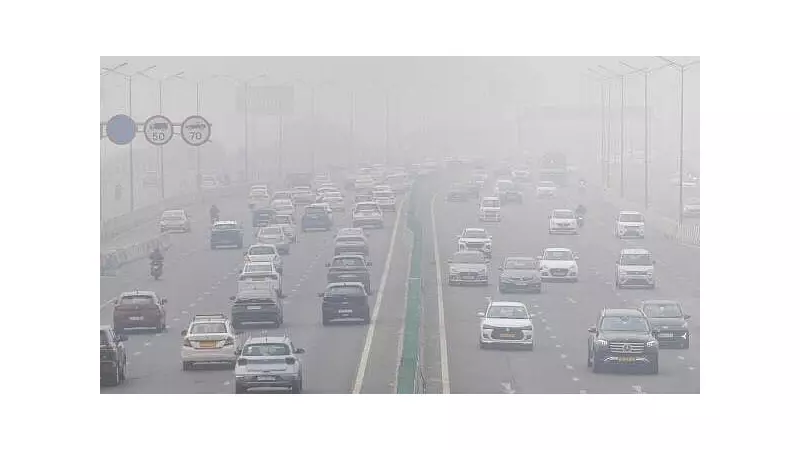
During a hearing on measures to combat air pollution in the Delhi-National Capital Region (NCR), Justice Surya Kant pointedly remarked that people are often saving money specifically to purchase four-wheelers, not out of absolute necessity, but due to the perceived social prestige attached to car ownership. This mindset, the bench suggested, contributes significantly to the ever-growing number of vehicles on the road, exacerbating the pollution problem.
The Supreme Court was addressing a plea concerning the worsening air quality in the region. The judges emphasized that while authorities are taking steps, a fundamental shift in public attitude is crucial. The bench stressed that using public transport should be encouraged and normalized, not seen as a downgrade in social standing.
Judicial Push for Accountability and Action
The Supreme Court bench did not limit its comments to societal behavior. It also turned its focus on the administrative machinery, questioning the effectiveness of current policies. The court demanded concrete data and action plans from the concerned governments and agencies.
Specifically, the bench sought details on the implementation of the Graded Response Action Plan (GRAP) and asked what preventive steps were being taken before the pollution season arrives. They questioned why episodic actions are taken only when air quality deteriorates severely, rather than having a sustained, round-the-year policy. The court also raised concerns about industrial pollution, vehicular emissions, and dust control measures, asking authorities to present a clear picture of their strategies.
A Call for Collective Responsibility
The observations from the highest court underscore a multi-faceted challenge. The hearing moved beyond just directing governments and touched upon the collective responsibility of citizens. The judiciary positioned itself as a protector of the citizens' right to clean air, reminding all stakeholders of their duty.
The bench's remarks serve as a powerful commentary on how environmental issues are often intertwined with socio-economic aspirations. By identifying the "car as a status symbol" phenomenon, the court highlighted a critical, non-technical barrier in the fight for clean air. The message was clear: technological fixes and government orders alone may not suffice unless accompanied by a change in public perception and lifestyle choices.
The Supreme Court has given time to the Delhi government and other bodies to submit their responses and data. The matter is set for further hearing, keeping the pressure on systematic and societal change to tackle the national capital's perennial pollution woes.