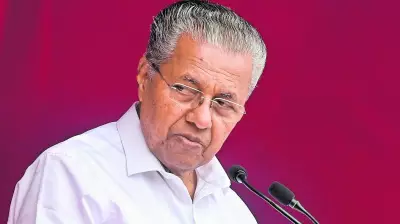
CJI Surya Kant Inaugurates Ramaiah International Moot and ADR Conference 2026
Chief Justice of India Surya Kant inaugurated the Ramaiah International Moot and ADR Conference 2026 at Ramaiah College of Law in Bengaluru. In his keynote address, he delivered a powerful message on the evolving role of arbitration in the Indian legal landscape.
Arbitration: A Paradigm Shift Beyond Court Decongestion
CJI Surya Kant stated that while tethering arbitration to court backlogs was a persuasive argument in the 1990s, this justification has now outlived its utility. He emphasized that arbitration should no longer be viewed merely as a tool to unclog courts, but as a sophisticated mechanism for dispute resolution in its own right.
The Chief Justice highlighted the need for a modern perspective on Alternative Dispute Resolution (ADR). He pointed out that the initial push for arbitration in India was largely driven by the overwhelming backlog of cases in traditional courts. However, with decades of development and international integration, arbitration must be recognized for its intrinsic value.

Key Points from CJI Surya Kant's Address
- Historical Context: In the 1990s, reducing court congestion was a primary rationale for promoting arbitration.
- Current Reality: This narrow focus is no longer sufficient; arbitration needs to stand on its own merits.
- Future Direction: Arbitration should be seen as a preferred method for efficient, expert-driven dispute resolution.
- Global Standards: India must align its arbitration practices with international best practices to attract global disputes.
The Role of the Ramaiah International Moot and ADR Conference
The conference, held at Ramaiah College of Law, serves as a critical platform for legal scholars, practitioners, and students to engage with contemporary issues in arbitration and ADR. By hosting such events, the institution contributes to the ongoing discourse on legal reforms and professional development in this field.
CJI Surya Kant's remarks underscore a significant shift in judicial thinking, urging stakeholders to move beyond outdated justifications and embrace arbitration as a cornerstone of modern legal systems. This perspective is expected to influence policy discussions and practical implementations in the coming years.