Chhattisgarh Security Forces Launch Intensive Second Phase of Anti-Maoist Operations
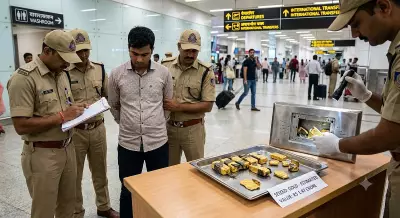
Security forces in Chhattisgarh have initiated a rigorous second phase of anti-Maoist operations across the Bastar and Rajnandgaon regions, marking a strategic shift in focus. This new phase prioritizes locating hidden explosives, weapons, and cash believed to be buried in forested areas, moving beyond previous efforts centered on arrests and surrenders.
Focus on Neutralizing Lingering Threats
The renewed crackdown follows a series of high-profile surrenders, arrests, and encounters that have significantly weakened Maoist networks in the state. Officials emphasize that the current priority is to neutralize lingering threats, particularly improvised explosive devices (IEDs), which continue to pose severe risks to both civilians and security personnel.
Area domination and combing operations have been intensified in Maoist-affected districts, including Bijapur, Sukma, Narayanpur, and parts of Kanker. Similar searches are underway in the Maharashtra-Madhya Pradesh-Chhattisgarh (MMC) zone, covering areas such as Mohla-Manpur, Khairagarh, Rajnandgaon, and Kabirdham.

Reliance on Intelligence from Surrendered Cadres
Authorities are heavily relying on information from surrendered Maoist cadres to locate buried caches. While some leads have helped recover explosives, officials note that many former cadres are unable to recall exact locations or details of devices planted over the years. In other cases, critical information may have been lost with deceased insurgents who had concealed the materials.
Chhattisgarh Home Minister Vijay Sharma has issued a warning, stating that remaining lower-rung Maoist cadres may attempt to plant new IEDs, making detection and disposal operations even more critical. This underscores the urgency of the ongoing efforts to secure the region.
Historical Context and Improved Capabilities
Speaking to media, Bastar Range IGP P Sundarraj highlighted the persistent threat from IEDs in the Bastar region over the past two decades. "Between 2001 and March 2026, more than 1,200 IED blast incidents were recorded in the region, resulting in significant casualties among security personnel and civilians," he said.
However, through enhanced measures, security forces have significantly improved their ability to detect and neutralize explosive devices. These measures include:
- Improved intelligence gathering
- Specialized anti-IED training
- Deployment of bomb disposal squads
- Use of mine-protected vehicles
- Systematic area domination and road-opening operations
As a result, forces now regularly recover and safely dispose of IEDs planted by Maoists, preventing potential casualties and ensuring safer movement for civilians, development teams, and security personnel.
Ongoing Operations and Challenges
IGP Sundarraj confirmed that multi-tasking area domination is ongoing across the Bastar region, primarily in Bijapur, Sukma, Narayanpur, and parts of Kanker districts. "This exercise will go on for the next couple of seasons," he added, indicating a prolonged commitment to the operation.
In the MMC zone, searches are underway in specific areas such as Madanwada in Mohla-Manpur, Bakarkatta and Gatapar in Khairagarh, Bortalav in Rajnandgaon, and upper belt villages of Kabirdham. Bomb disposal squads and local police teams have been tasked with locating hidden explosives and other resources.
Senior officers report that surrendered Maoists are being questioned sequentially to gather leads on buried caches. However, investigators have yet to make a major breakthrough in the MMC zone based on these disclosures. Police sources indicate that several surrendered cadres, including those who previously carried hefty bounties, have remained guarded during questioning, complicating efforts to recover concealed material.
Multiple rounds of interrogation have been conducted, but officials note that only limited actionable information has emerged so far, highlighting the challenges in this phase.

Second Phase Strategy and Future Outlook
Rajnandgaon Range IGP Balaji Rao explained the operational shift to reporters. "While the number of active Maoists in the range has reduced sharply after the surrenders, the risk from buried explosives, hidden weapons, and cash remains. Area domination is still continuing. In a way, this is the second phase of the operation. The first phase was bringing Maoists back into the mainstream. Now the focus is on seizing the deadly material they may have concealed," he stated.
Officials affirm that personnel remain deployed deep inside the forests, and operations will continue until the terrain is cleared of potential threats. This sustained effort aims to make the region safer for residents and support ongoing development activities, ensuring long-term stability and security in Chhattisgarh.