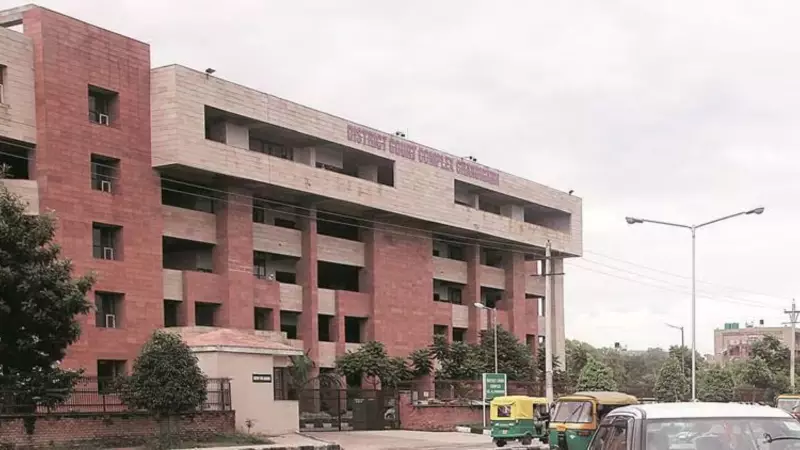
A Chandigarh court has formally framed charges against ten leaders of the Aam Aadmi Party (AAP), including a sitting MLA, in connection with a violent protest that occurred nearly three years ago. The court found sufficient grounds to proceed with a trial for alleged scuffles with police and violation of prohibitory orders.
Court Proceedings and Accused Leaders
After examining case records and hearing arguments from both the prosecution and defense, the Chandigarh District Court concluded there is enough evidence to frame charges. The trial is scheduled to commence on January 17, 2026, and will proceed under various sections of the Indian Penal Code, including 147 (rioting), 149 (unlawful assembly), 323 (voluntarily causing hurt), 332 (voluntarily causing hurt to deter public servant), 353 (assault to deter public servant), and 188 (disobedience to order duly promulgated by public servant).
The accused include MLA from Fazilka, Narinder Pal Singh, along with Harbhajan Singh (alias Harchand Singh), Dr Sunny Singh Ahluwalia, Prem Kumar Garg, Prabhjot Kaur, Parminder Singh, Pratap Singh, Gurvinder Singh, Kamaljeet Singh, and Satwant Singh. In a separate development, the court has declared four other accused—Saranpal Singh, Gurdeep Singh, Ghulam Mohammad, and Subhash Sehgal—as proclaimed offenders for consistently failing to appear before it.

Recap of the 2023 Protest Incident
The case originates from February 12, 2023. On that day, a large group of AAP leaders and workers assembled outside the Punjab BJP office in Chandigarh's Sector 37 to stage a demonstration. The protesters were alleging that the Central government was showing undue favour to industrialist Gautam Adani's companies and raised slogans against the administration.
Anticipating trouble, the Chandigarh Administration had imposed Section 144 of the CrPC in the area, banning unlawful assemblies, and deployed a significant police force. According to the prosecution, the protesters attempted to break through police barricades, leading to a direct confrontation. The situation allegedly turned violent, with clashes breaking out between the AAP leaders and police personnel.
Police claimed that some protesters assaulted officers, pushed them, and pelted stones, which eventually forced the police to use water cannons to disperse the crowd. Several individuals from both sides sustained injuries during the incident.
Legal Path Forward and Implications
Following the violent protest, the Sector 39 police station registered an FIR against the AAP leaders. The charges included obstructing government officials from performing their duties, assaulting police personnel, and violating the District Magistrate's orders. The recent court order to frame charges marks a significant step forward in the lengthy legal process, setting the stage for a full trial beginning in mid-January.
The court's detailed order is still awaited, but the framing of charges indicates it believes a prima facie case exists against the accused. The proceedings will now move to the trial phase, where evidence will be examined and witnesses called, nearly three years after the original protest took place.