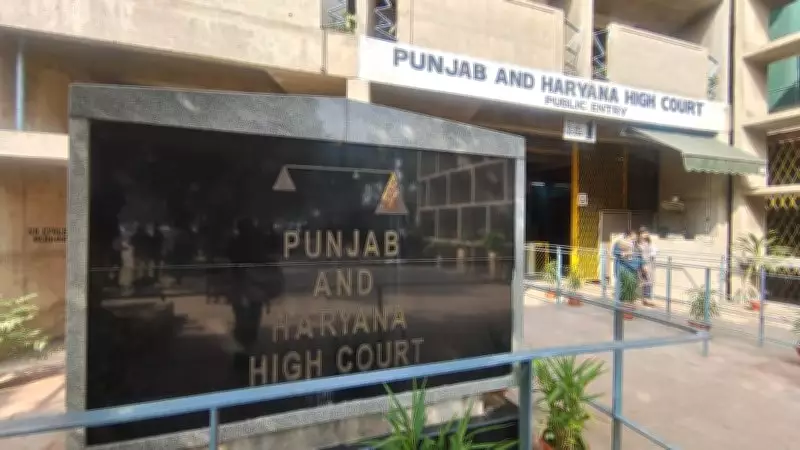
Chandigarh High Court Intervenes in Power Employees' Status Dispute
The Punjab and Haryana High Court, based in Chandigarh, has taken a decisive step in a long-standing labor dispute involving power sector employees. In a significant ruling, the court has suspended a status quo order previously issued by the Central Administrative Tribunal (CAT). This legal maneuver effectively puts the CAT's directive on hold, allowing for a fresh examination of the case.
Court Directs Timely Resolution Within Three Months
Beyond merely suspending the CAT order, the High Court has imposed a strict timeline for resolution. It has directed the concerned authorities to make a final decision regarding the employment status of the power employees within a period of three months. This deadline is aimed at expediting the process and providing clarity to the affected workers, who have been embroiled in uncertainty over their job classifications and associated benefits.
The dispute centers on the legal and administrative status of employees within the power utilities. Issues such as regularization, pay scales, and service conditions are at the heart of the matter. The CAT's earlier status quo order had maintained the existing conditions, preventing any changes until a final adjudication. However, the High Court's intervention suggests a need for a more proactive and time-bound approach to resolve the impasse.
Implications for Labor Relations and Administrative Efficiency
This ruling is expected to have broader implications for labor relations in the public sector, particularly in utilities like power distribution. By setting a three-month deadline, the court is emphasizing the importance of timely dispute resolution, which can prevent prolonged legal battles and reduce uncertainty for employees. It also underscores the judiciary's role in ensuring that administrative bodies act swiftly in matters affecting workers' rights and livelihoods.
Key aspects of the High Court's decision include:
- Suspension of the CAT's status quo order, allowing for a reevaluation of the case.
- A directive for authorities to conclude the decision-making process within three months.
- Focus on resolving the employment status of power employees, which may involve issues of regularization and service conditions.
The case highlights the ongoing challenges in the power sector regarding employee management and the legal frameworks governing it. Stakeholders, including employee unions and management, will be closely monitoring the developments over the next three months as the authorities work towards a resolution. The outcome could set a precedent for similar disputes in other sectors, influencing how labor issues are handled in the future.
This ruling by the Chandigarh High Court marks a critical juncture in the dispute, pushing for a faster resolution that balances administrative efficiency with the rights of power employees.