
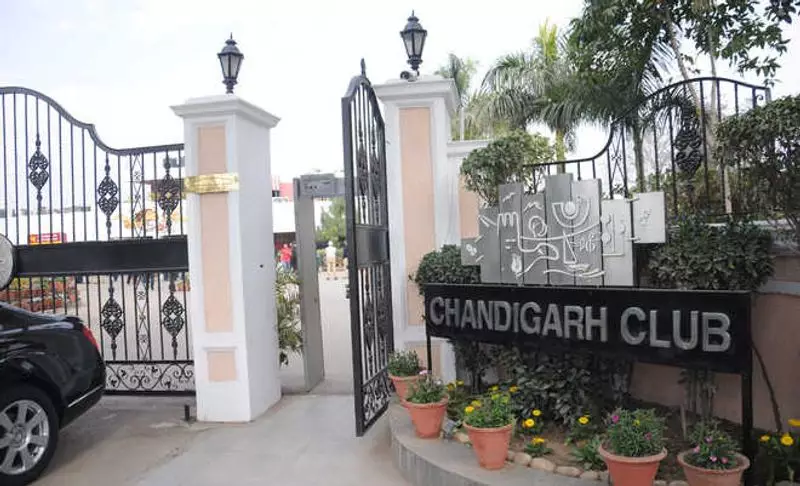
The Punjab and Haryana High Court has delivered a significant ruling in the ongoing Chandigarh Club demolition dispute, refusing to intervene in the matter and allowing the municipal authorities to proceed with their actions. This decision marks a crucial development in the legal battle between the prestigious club and the Chandigarh Municipal Corporation.
Court's Firm Stance on Municipal Authority
Justice Sanjay Vashisth of the Punjab and Haryana High Court made it clear that the court would not interfere with the demolition proceedings initiated by the Chandigarh Municipal Corporation. The bench explicitly stated that no interference was warranted at this stage, emphasizing the authority of the municipal body to take action against unauthorized constructions.
The legal confrontation emerged when the Chandigarh Club, represented by senior advocate Sanjay Kaushal, challenged the demolition notice issued by the municipal corporation. The club authorities had sought urgent relief from the high court to prevent the demolition of certain structures within their premises that the corporation deemed illegal.
The Core of the Legal Dispute
According to the proceedings detailed in court, the Chandigarh Municipal Corporation had identified several unauthorized constructions within the club's property and subsequently issued a demolition notice. The corporation's counsel argued that the club had failed to provide necessary documents and permissions for the contested structures, making them liable for removal under the prevailing building regulations.
The club's legal team contended that they possessed the required approvals and that the corporation's action was arbitrary. However, Justice Vashisth noted that the petitioners had not been able to produce convincing evidence of proper authorization for the constructions in question.
The court proceedings revealed that the dispute centers around multiple structures within the club complex that the municipal authorities claim were built without obtaining the mandatory building permits. The Chandigarh Club, being one of the city's most prominent social institutions, has been at the center of similar regulatory scrutiny in the past.
Implications and Future Course
This ruling strengthens the position of municipal authorities in Chandigarh to take action against unauthorized constructions, even when they involve established institutions. The court's refusal to grant interim protection means that the Chandigarh Municipal Corporation can now proceed with the demolition if they choose to do so, unless the club obtains a stay from a higher judicial forum.
The decision also sets a precedent for similar cases in the region where heritage institutions and modern regulatory frameworks often clash. Legal experts suggest that this judgment reinforces the principle that no entity, regardless of its stature, is above the building laws and regulations governing urban development in Chandigarh.
Members of the Chandigarh Club have expressed disappointment with the verdict but indicated that they are considering their legal options. The club management may approach a larger bench or explore alternative legal remedies to protect their premises from demolition actions.
This case highlights the ongoing tension between historical institutions and modern urban governance in rapidly developing cities like Chandigarh. The court's decision underscores the importance of strict adherence to building regulations and proper documentation for all construction activities, regardless of the institution's prominence or historical significance.