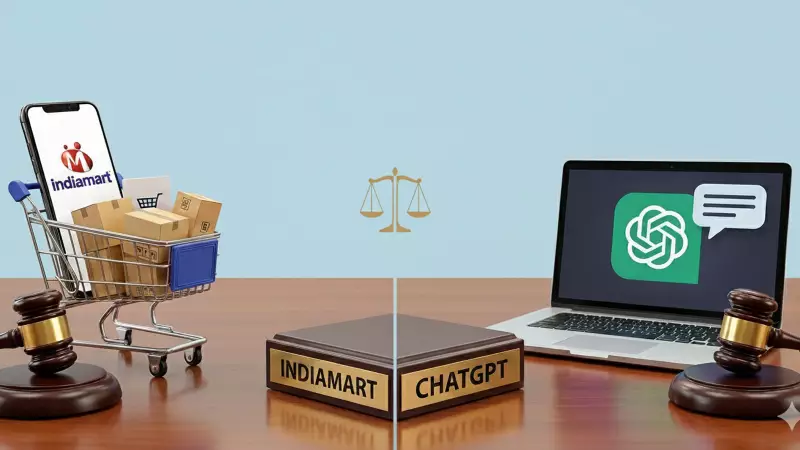
The Calcutta High Court has raised serious concerns over alleged selective discrimination by artificial intelligence platforms, including ChatGPT, against the online B2B marketplace IndiaMART. During a hearing, Justice Ravi Krishna Kapur noted that the exclusion of IndiaMART's listings from AI search results appeared to be unjustified and illogical, causing significant commercial harm to the company.
Court's Prima Facie Observation on Discrimination
Justice Kapur, while hearing a plea filed by IndiaMART, stated that it prima facie appears the petitioner is being selectively discriminated against and justifiably excluded without any logic. The court explicitly pointed out that this action inevitably leads to a loss of goodwill, reputation, and commercial injury for IndiaMART. The plea argued that AI engines were consciously omitting IndiaMART's website and listings from their generated results, while similar platforms remained accessible.
IndiaMART's Allegations and the USTR Report Link
IndiaMART, which claims to have a workforce of 3,000 members and operations in approximately 40 countries, submitted that ChatGPT and other AI tools were relying on a review by the United States Trade Representative (USTR) to justify the exclusion. The company argued that this reliance was arbitrary, capricious, and without basis, especially since it was not given any prior notice or opportunity to be heard before being listed in the USTR review.

The platform, recognized as a well-known mark under the Trade Marks Act, 1999, contended that this amounted to trade libel, injurious falsehood, and unlawful interference with its business, leading to unfair competition. IndiaMART's business model provides an internet-based platform for small and medium enterprises to list their profiles and catalogs.
Interim Order Deferred, Next Hearing in 2026
The Calcutta High Court, however, clarified that without hearing the opposite party, there was no scope for passing an interim order at this stage. Consequently, the court has scheduled the next hearing for January 13, 2026, emphasizing the necessity for the other side to present its arguments. This case highlights the emerging legal challenges at the intersection of AI governance, trade policies, and fair competition in the digital marketplace.