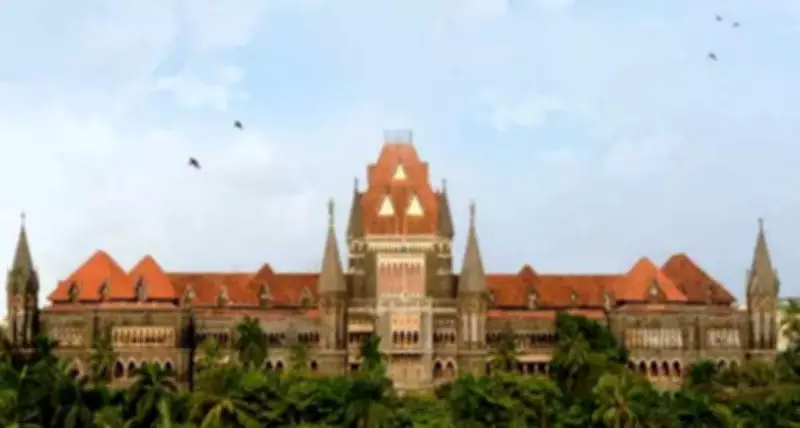
Bombay High Court Upholds Altamount Road Redevelopment, Dismisses 2013 PIL
In a significant ruling, the Bombay High Court on Wednesday upheld the permissions granted for the redevelopment of a 16-storey building on Altamount Road in Mumbai. The court dismissed a public interest litigation (PIL) filed in 2013 that challenged the legality of the project, stating it was filed with a "clear objective" to target the builder and lacked genuine public interest.
Background of the Case
The PIL was initiated by the Altamount Road Area Citizens Committee, which argued that the permissions for the redevelopment were illegal and arbitrary, setting a "wrong and dangerous precedent". The building, originally known as 'Lincoln House', has been in existence since September 1, 1940, and was classified as a cessed structure. Redevelopment permission was initially granted in 2002, with the commencement certificate issued in November of that year.
Court's Observations and Ruling
Chief Justice Shree Chandrashekhar and Justice Gautam Ankhand, in their ruling delivered on Thursday, emphasized that a petition filed under the guise of public interest litigation cannot be entertained when no material facts constituting a cause in the larger public interest are disclosed. The court noted, "There is no genuine public interest involved" and that the PIL intended to stall construction under the mask of public concern.

The High Court vacated an interim order from 2018 and dismissed the PIL, highlighting that the scope of judicial review in such cases is very limited. The court stated that a writ court cannot interfere with executive decisions as long as a reasonable procedure is adopted, even if some procedural compliances are not fully met.
Arguments from Both Sides
Senior counsel Darius Shroff, representing the petitioners, contended that the permissions and concessions granted to the builder, Krishna and Company, seriously hampered basic requirements for a good life and affected the right to life under Article 21 of the Constitution of India. Key concerns included alleged lacunae such as insufficient escape routes in case of fire.
In response, the state, represented by senior counsel Milind Sathe (now the Attorney General), and the builder, through senior counsel Ashish Kamath, argued that the PIL was based on incomplete and erroneous assumptions regarding the applicability of Development Control Regulations (DCR). They submitted that the building permissions adhered to DCR provisions for minimum open space and other requirements, with no violations found.
Key Points from the Judgment
- The court agreed with Sathe's submission that the threshold date for deciding minimum marginal open space should be the date when the initial permission for building (IOD) was first granted.
- Kamath pointed out that the PIL contained misleading statements to create an illusion of espousing a public cause.
- The building was completed in 2023, as informed to the court during proceedings.
- The original plan for two buildings was later merged into a single structure, which the court found permissible under the regulations.
The High Court's decision reinforces the principle that public interest litigations must be filed with bona fide intentions and not for personal or political motives. This ruling sets a precedent for future cases involving redevelopment projects in Mumbai, emphasizing the importance of procedural adherence and the limited scope of judicial intervention in executive decisions.