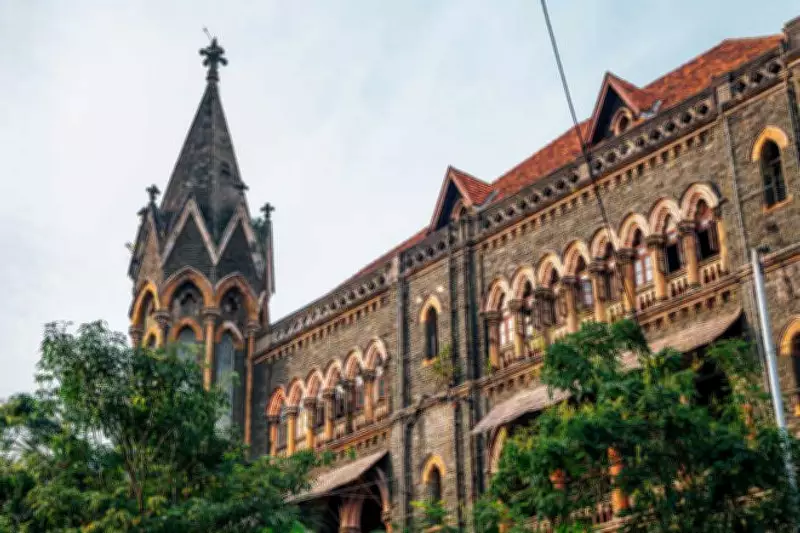
The Bombay High Court on Tuesday expressed deep shock over the demolition of a printing press associated with Dr. Babasaheb Ambedkar in 2016 and severely criticized the police for their failure to act. The court termed the incident a blatant violation of fundamental rights and directed the state government to take appropriate action against the responsible officials.
Background of the Case
The printing press, located in the Dadar area of Mumbai, was allegedly demolished by a group of individuals in 2016. The press held historical significance as it was once owned by Dr. B.R. Ambedkar, the architect of the Indian Constitution. The petitioners, including members of the Dalit community, argued that the demolition was an attack on the legacy of Ambedkar and sought justice from the court.
Court's Observations
A division bench of Justice Revati Mohite-Dere and Justice Gauri Godse noted that the police had failed to register an FIR or take any preventive measures despite prior complaints. The bench remarked that such inaction encouraged lawlessness and undermined the rule of law. The court also emphasized that the destruction of property linked to a historical figure like Ambedkar amounted to an assault on the constitutional values he championed.

The judges questioned the police officials present in court, demanding an explanation for their negligence. The court observed that the police's inaction was not only illegal but also sent a wrong message to society. It directed the Maharashtra government to file a detailed affidavit explaining the steps taken in the case and to identify the officers responsible for the lapse.
Legal and Social Implications
The case highlights the ongoing challenges faced by marginalized communities in protecting their heritage and rights. The court's strong stance is seen as a significant step towards accountability for historical wrongs. Legal experts believe that this judgment could set a precedent for similar cases where state machinery fails to protect the rights of citizens.
The next hearing is scheduled for two weeks, by which time the state government must submit its response. The court has also allowed the petitioners to seek compensation for the loss of the press, which held immense sentimental and historical value.