Bombay High Court Takes Strong Stand on Sewage Management
The Bombay High Court issued a firm directive to civic authorities across Maharashtra on Monday. The court told them to stop issuing Occupancy Certificates for any building unless developers fully follow approved plans and building permissions. A key requirement is the construction of Sewage Treatment Plants for high-rise buildings.
Court Orders Blacklisting of Errant Developers
The court also ordered civic bodies to blacklist developers who fail to provide STPs or proper sewage management for their structures. This move aims to hold builders accountable for environmental negligence.
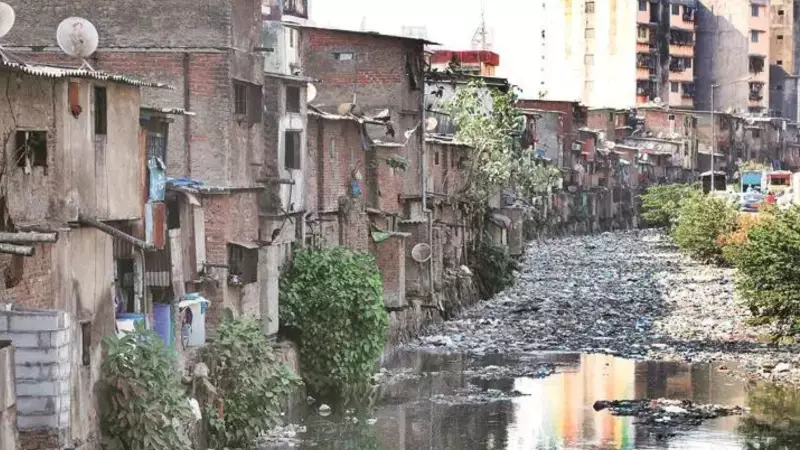
A division bench of Justices Ravindra V Ghuge and Abhay J Mantri passed this order. They expressed deep concern over the massive problem of sewage dumping into the Ulhas River in Thane district. The judges noted that builders had not constructed proper STPs, leading to this pollution.
The court highlighted that nearly 438 alleged unauthorized structures were involved in this issue. The bench made it clear that granting an OC without an STP would lead to serious consequences.
Background of the Case
The court was hearing a plea filed by Badlapur resident Yashwant Anna Bhoir. His advocates, Avinash Fatangare and Archana Shelar, argued against constructions by developer A Plus Lifespace inside the Trishul Golden Ville Cooperative Housing Society.
Last year, on September 19, the High Court formed an improvement committee. This committee was tasked with providing guidance for systematic urban development in Badlapur town, located in Thane district. The court pointed out the severe difficulties faced by citizens due to the lack of drainage and sewerage facilities in the Kulgaon Badlapur Municipal Council area.
Court Criticizes Municipal Council's Inaction
On Monday, the bench reviewed a compliance affidavit filed by Harishchandra Patil. Patil serves as the Additional District Collector of Thane and is a member of the improvement committee. The judges called this affidavit an eyewash.
They observed that the Municipal Council had failed to meet any deadlines. The council had not taken meaningful steps to implement the court's suggestions. Justice Ghuge stated that officers must understand that their attempts to create an eyewash would be seen as disobedience of court orders.
The court decided to give authorities one more opportunity. It urged them to take quick and significant steps to ensure sewage stops flowing into the Ulhas River.
Broad Directives for All Local Bodies
The bench broadened the scope of the plea. It directed all municipal corporations, councils, local authorities, and gram panchayats to launch a drive. This drive will assess structures that lack STPs from developers, unless a sewage pipeline connects to the authorities' underground drainage system.
Local bodies must conduct a survey and prepare a list of errant developers. They should move towards blacklisting builders and construction companies that do not provide STPs or sewage management.
The judges warned that if any OC is granted without such facilities, they would blacklist the builders. They would also initiate action against the concerned officers of the civic authorities responsible for issuing such certificates. The court emphasized it would not hesitate to act against those obstructing compliance with its orders.
Committee to Oversee Implementation
The bench directed that the High Court-constituted panel should be headed by the Thane district collector. This panel must meet at least once every fortnight. Panel members are required to remain present in court at the next hearing scheduled for January 28.
This comprehensive order underscores the judiciary's commitment to environmental protection and urban planning. It places clear responsibilities on both developers and civic authorities to address sewage management issues proactively.