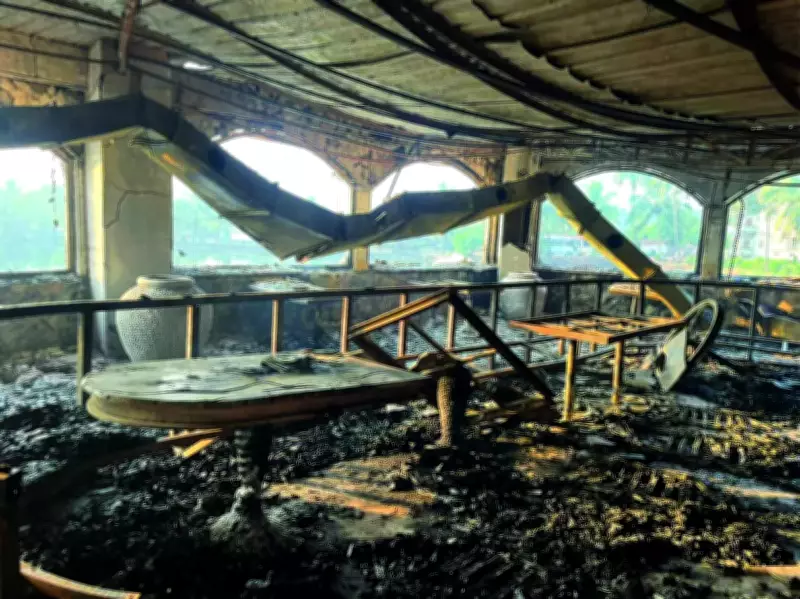
The Bombay High Court has taken a stern stance regarding the tragic fire incident at Birch by Romeo Lane in Panaji, signaling a potential landmark move to ensure justice for the victims' families. During a hearing on Tuesday, the court declared that it would consider attaching and auctioning the assets of those found responsible for the negligence leading to the fire, which claimed 25 lives. This includes not only the business owners but also government functionaries who may have failed in their duties.
A Strong Message Against Negligence
A division bench comprising Justices Suman Shyam and Amit Jamsandekar emphasized the need for accountability in such cases. "The time has come when a loud and clear message should go out that whoever is thriving on shady businesses should get ready to pay," the bench stated. The court clarified that while it typically avoids interfering in the operations of statutory bodies tasked with maintaining law and order, it will step in when there is evidence of deliberate negligence or dereliction of duty resulting in loss of human lives.
Fixing Responsibility and Ensuring Compensation
The bench outlined its approach to holding individuals accountable. "One has to see how it happened and fix responsibility. Apart from that, except for putting them behind bars, we will even consider attaching their properties and putting them to auction sale," the judges added. This measure aims to provide financial compensation to the families of the victims, many of whom were labourers with limited means and resources.
During the proceedings, Advocate General Devidas Pangam informed the court that the Public Interest Litigation (PIL) seeks compensation for the families of the 25 deceased. He argued that the owners of Birch, who are currently in custody and have been made parties in the suo motu petition, should bear the responsibility for paying this compensation. The court inquired about a reasonable compensation amount, and Pangam indicated that he would present a formula prescribed by the Supreme Court for the bench's consideration.
Widening the Net of Accountability
Advocate Rohit Bras de Sa, serving as amicus curiae in the petition, expanded the scope of accountability. He suggested that compensation should also be recovered from the sarpanch of the Arpora-Nagoa panchayat, who allegedly granted No Objection Certificates (NOCs) contrary to legal requirements, without proper occupancy certificates or permissions. De Sa noted that the sarpanch has amassed significant wealth, and making such officials pay would send a clear message and encourage them to take their duties seriously.
In response, the bench affirmed that the High Court would direct the attachment of properties of any official found complicit in the negligence. However, the court also clarified that the state retains the liberty to take independent action against those responsible.
Broader Context and Legal Proceedings
The hearing is part of broader legal actions addressing illegalities in commercial establishments. Last month, the High Court issued notices to 52 parties, including all coastal panchayats and municipal bodies, over operations that function without adhering to statutory provisions. Pangam highlighted a "serious problem" in the coastal belt, leading to all coastal panchayats being made parties in the petition to establish their duties. Despite this, the High Court emphasized that it does not want to mix up issues, focusing instead on the specific negligence related to the fire tragedy.
This case underscores the judiciary's growing impatience with systemic failures and its commitment to ensuring that those in positions of power are held accountable for their actions, particularly when they result in tragic loss of life. The potential asset attachment and auction represent a significant step towards delivering justice and providing relief to the affected families.