Chennai Man's Body Left Outside Mortuary for Hours Due to Police Paperwork Delays
In a distressing incident at Government Royapettah Hospital in Chennai, the body of a 42-year-old man lay outside the mortuary for nearly two hours on Friday afternoon due to administrative delays in police paperwork. The deceased, Senthil Kumar, a driver for a travel agency in Adyar, had died earlier that morning from cardiac arrest.
Tragic Morning Incident Leads to Hospital Confusion
Senthil Kumar's day began like any other, but took a tragic turn around 11:15 AM outside the IIT Madras Research Park in Taramani. After dropping off a customer at a hotel on Anna Salai, Kumar was reversing his car when it collided with a wall. When he stepped out to assess the damage, he suddenly collapsed. Bystanders rushed him to a private hospital and alerted his travel agency, but a doctor declared him dead on arrival.
Police subsequently transported the body to Government Royapettah Hospital for a mandatory postmortem examination. However, what should have been a routine procedure turned into an ordeal for the grieving family.
Paperwork Paralysis at Hospital Mortuary
When Saritha, Kumar's 39-year-old wife, arrived at the hospital to claim her husband's body, she was confronted with a shocking scene. Forensic officials at the hospital explained they could not accept the body without two crucial documents: a First Information Report (FIR) and a formal police request for postmortem examination.
"Neither document had arrived from the police," hospital staff reportedly told the family. As a result, Kumar's body remained outside the mortuary entrance while hospital personnel waited for the necessary paperwork. The body was only moved inside after the family arrived, but the postmortem examination still could not proceed without the formal police request.
Police Station Delays Compound Family's Grief
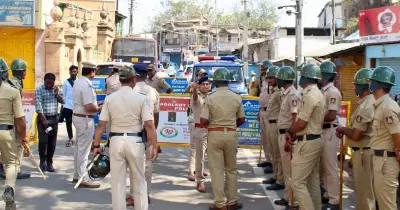
The root of the delay traced back to the Taramani police station, where officers faced staffing challenges. Inspector Raja, the officer responsible for authorizing the FIR, had been deployed for bandobast duty covering two simultaneous events within the station's jurisdiction: a law college protest and an eviction drive.
Saritha, a resident of Mandaveli, went directly to the police station to file a complaint about her husband's death. She was informed that the FIR could not be prepared until Inspector Raja returned to authorize it. This bureaucratic bottleneck left the family in limbo during their most difficult hours.
By 5 PM, the FIR was finally filed, but police had still not provided the formal request needed for the postmortem examination. The family now faces additional waiting as the postmortem is expected to be conducted on Saturday, leaving Saritha and the couple's seven-year-old daughter to endure extended uncertainty during their time of loss.
Systemic Issues in Emergency Response
This incident highlights potential gaps in emergency response protocols when sudden deaths occur. The requirement for specific police documentation before hospitals can proceed with postmortem examinations creates vulnerabilities in the system, particularly when police resources are stretched thin due to multiple simultaneous demands.
The case raises questions about contingency planning for such situations and whether alternative authorization processes could prevent similar delays for grieving families in the future. As Chennai continues to grow and face increasing urban challenges, such administrative bottlenecks in critical services warrant closer examination.