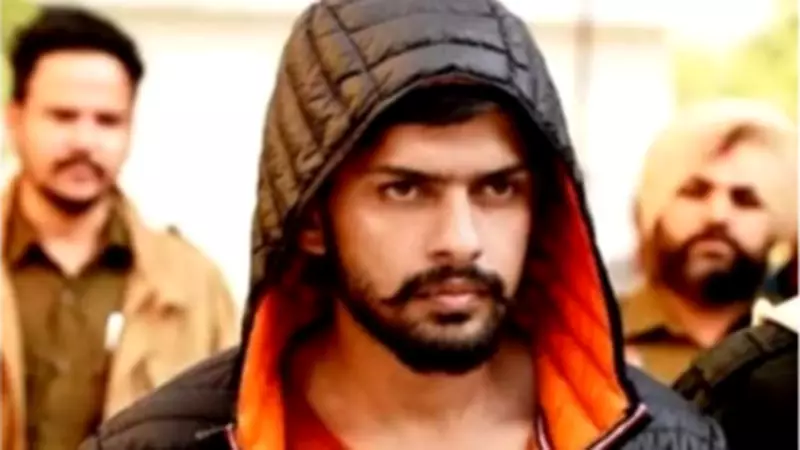
Lawrence Bishnoi Gang's Evolving Tactics Pose Major Challenge for Mumbai Police
Recent firing incidents in Mumbai allegedly linked to the Lawrence Bishnoi gang have revived memories of the city's underworld past, but police officials emphasize that today's criminal operations bear only partial resemblance to the organized crime era of the 1990s.
Technological Evasion Through VoIP and Digital Stealth
Unlike historical gangs that relied on traceable international phone numbers and open claims of responsibility, the Bishnoi gang operates through a far more diffuse and deniable model. Investigators report that the group extensively uses Voice over Internet Protocol-based calls, disposable shooters with no criminal records, and fleeting social media posts that leave minimal digital trails.
"The biggest change from the past is that earlier we knew the international numbers gangsters used, which we could track," explained a senior police officer. "Now with VoIP calls being used, unless we have technical details about the devices, we cannot keep track. As these devices keep changing, it becomes extremely difficult to monitor such calls and identify who is being threatened."
The Challenge of Fear and Absence of Formal Complaints
This technological sophistication, combined with fear among potential targets and the absence of formal complaints, has created significant obstacles for law enforcement. Even when the gang claimed responsibility for the firing outside director Rohit Shetty's residence through an online threat message, police received no official complaints from Bollywood figures.
"Even if such calls were made, people may not be coming forward out of fear," the officer added. "Since these activities often don't appear on our radar, we cannot reach out and assure people to file complaints. This has become a major challenge in mapping the gang's activities."
Disposable Shooters Replace Known Gang Members
Another significant departure from traditional underworld operations is the use of new, inexperienced shooters for each operation rather than established gang members. Earlier criminal organizations relied on identified sharpshooters like Firoz Kokani of the Dawood gang or Umed Ur Rehman of the Rajan gang, about whom police maintained detailed dossiers.
"If a particular shooter was involved in firing, we could immediately connect the dots and dismantle the entire network," the officer noted. "We knew where they lived, who their family and friends were."
In contrast, recent cases reveal a different pattern:
- In the Salman Khan case, the accused were from north Indian states and described as "fans" of the Bishnoi gang
- In the Baba Siddique case, the gang utilized Shubham Lonkar's network along with contacts in north India
- In the latest Rohit Shetty case, all involved were from Pune and arranged through Lonkar's local connections
"These are young boys who do not have past criminal records," explained a police officer. "They hail from poor families and become enamored with these gangs, mainly through social media exposure. They often reach out to gangs via social media expressing a desire to work for them."
Changing Economics of Criminal Operations
The financial dynamics have also shifted dramatically. While earlier gang members received substantial payouts, today's recruits are paid minimal amounts. In the Baba Siddique shootout, the Bishnoi gang initially approached experienced shooters who demanded Rs 1.5 crore. When the gang refused, they instead hired amateurs for just Rs 1.5 lakh to carry out the attack.
Deniable Social Media Claims Replace Open Responsibility
Even the method of claiming responsibility has evolved. Historical underworld figures would directly call media channels to claim attacks openly. Today, the Bishnoi gang employs a more cautious approach.
"The Bishnoi gang puts up a post on a social media platform, takes a screenshot, then deletes the original post," detailed an investigator. "The screenshot is then circulated. This ensures that the URL cannot be traced. In the future, such screenshots will have minimal evidentiary value with high deniability."
This combination of technological sophistication, disposable personnel, and strategic deniability has created a new paradigm in Mumbai's criminal landscape, requiring law enforcement to develop innovative investigative approaches to counter these evolving threats.