Bihar Government Extends Legal Safeguards to Police Personnel Under BNSS
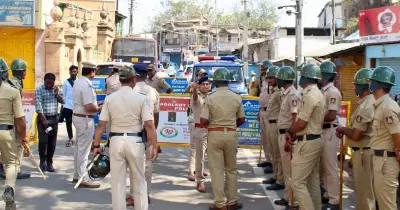
In a significant move to bolster the operational security of its law enforcement officers, the government of Bihar has officially extended protective provisions under Section 218 of the Bharatiya Nagarik Suraksha Sanhita (BNSS), 2023, to all personnel of the Bihar Police. This notification, issued by the state's home department, aims to provide procedural safeguards akin to those already available to armed forces members, ensuring police officers can perform their duties without undue legal harassment.
Details of the Notification and Its Implications
The notification, signed by Joint Secretary Amlendu Kumar Singh and disseminated to key authorities including the registrar general of the Patna High Court, district magistrates, superintendents of police, and sub-divisional officers, applies Section 218 to Bihar Police personnel involved in maintaining public order, regardless of rank or posting. Under this provision, if a police officer is accused of an offence while executing official duties—such as crowd control, law enforcement, or ensuring public safety—no court can initiate proceedings without prior sanction from the Bihar government.
This measure is designed to prevent fake, revenge-driven, or politically-motivated complaints from targeting officers, while still allowing the government to review and approve genuine cases for prosecution. Similar extensions have been implemented in other states, reflecting a broader trend to protect law enforcement from legal vulnerabilities during high-stakes operations.
Context: The Arrest Attempt on IPS Officer M Sunil Nayak
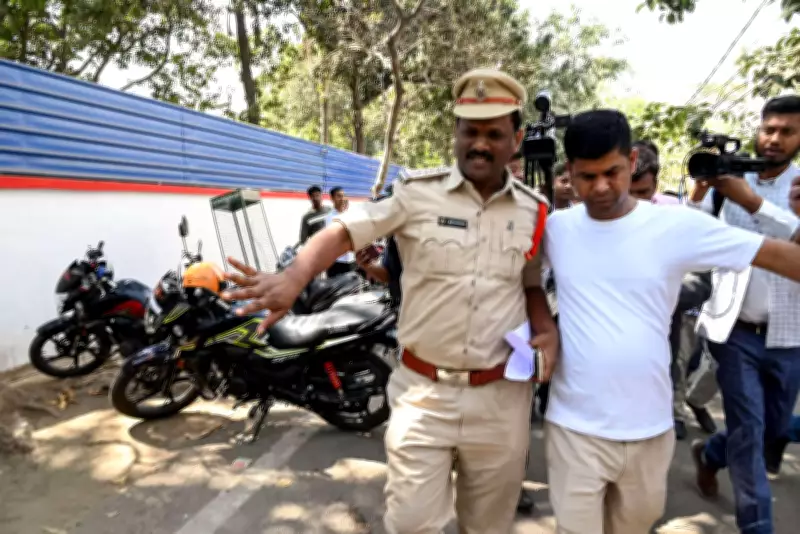
The timing of this notification is particularly noteworthy, as it follows a dramatic and high-profile arrest attempt involving senior Bihar-cadre IPS officer M Sunil Nayak, who currently serves as Inspector General (IG) of Fire Services and Home Guards in Bihar. On February 23, a team from Andhra Pradesh Police, led by Vizianagaram SP AR Damodar, attempted to arrest Nayak from his official residence in Patna's Shastri Nagar area during early morning hours.
The arrest attempt stemmed from a 2021 case linked to the alleged custodial torture of K Raghurama Krishna Raju, then a Member of Parliament and now deputy speaker of the Andhra Pradesh assembly, during his detention in Guntur district under the previous YSRCP regime. At that time, Nayak was on inter-cadre deputation in Andhra Pradesh, serving as DIG in the CID, and was named as an accused in an FIR registered at Nagarampalem police station in Guntur following a complaint by Raju after the TDP's return to power in 2024.
Legal Repercussions and Court Ruling
The Andhra Pradesh Police took Nayak to the Patna civil court to obtain transit remand—permission to transport him for the case. However, the court rejected the request, citing several serious procedural errors under the BNSS Act:
- No advance notice was provided to Bihar Police authorities.
- No proper arrest warrant was presented during the attempt.
- Paperwork was incomplete, with key documents only in Telugu and lacking translations into Hindi or English.
- The inter-state arrest process was not followed correctly, violating established protocols.
As a result, Nayak was released immediately, and the court granted him temporary protection, prohibiting any coercive actions like arrest for the next 30 days. The Andhra Pradesh Police have indicated plans to challenge this decision in higher courts, highlighting the ongoing legal complexities.
Broader Impact and Future Outlook
This extension of BNSS protections to Bihar Police personnel underscores the state's commitment to safeguarding its officers from potential legal entanglements while they uphold public order. By aligning police safeguards with those of armed forces, the government aims to enhance operational confidence and reduce instances of frivolous litigation. As similar measures gain traction across India, this move may set a precedent for other states to follow, ensuring a more secure environment for law enforcement nationwide.